
What Siding Contractors Want Homeowners to Know
When it comes to home improvement, one of the most significant investments you can make is upgrading your home's exterior. Siding is not only a primary layer of protection against wind, moisture, and temperature changes, but it also plays a major role in defining curb appeal and resale value. Many homeowners feel overwhelmed by the number of choices and technical considerations involved. To make the process more manageable, experienced siding contractors often share practical guidance to help homeowners move forward with confidence and clarity.
Understanding Siding Material Options
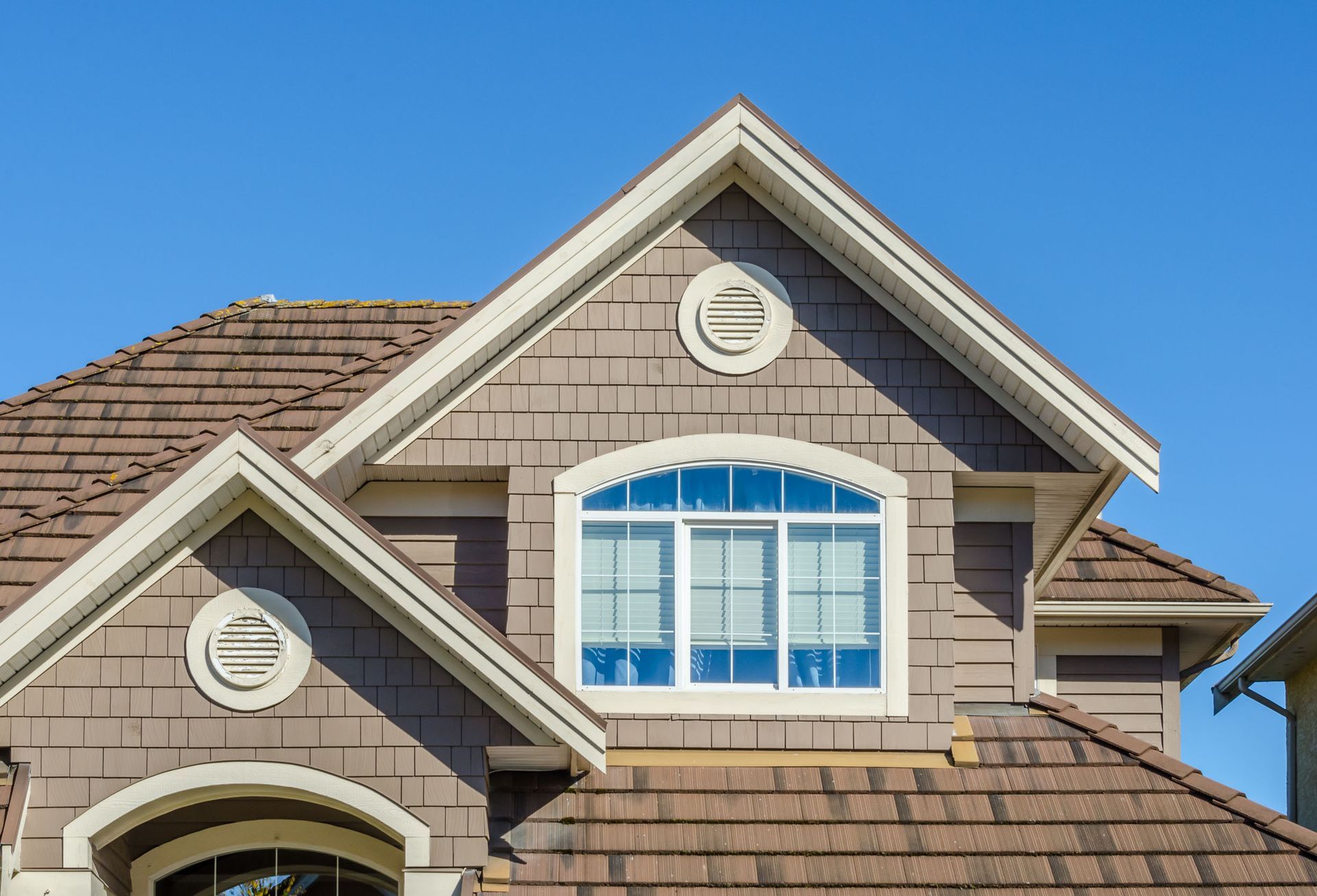
One of the first recommendations siding contractors make is to thoroughly understand the materials available before committing to a project. Common options include vinyl, wood, fiber cement, and metal, each offering distinct benefits and drawbacks. Vinyl siding is widely chosen for its affordability and minimal maintenance, while fiber cement is valued for its durability and resistance to fire and pests. Wood siding provides a classic, natural appearance but requires consistent upkeep to protect against moisture and insects. Homeowners are encouraged to consider long-term performance, local climate conditions, and lifestyle expectations when comparing materials.
Evaluating the True Cost of a Siding Project
Budget planning is another area where siding contractors stress the importance of looking beyond surface-level pricing. While material costs are a major factor, labor, permits, disposal of old siding, and potential repairs underneath the exterior all contribute to the final expense. According to Inch Calculator, the national average cost for siding is $8,500, which reflects these combined elements. Homeowners are advised to request detailed estimates so they fully understand what is included and can avoid unexpected expenses later in the project.
The Importance of Proper Preparation
Preparation is a critical phase that directly impacts the lifespan and performance of new siding. Siding contractors frequently note that underlying issues such as water damage, mold, or structural weaknesses must be addressed before installation begins. Skipping this step can lead to premature failure or costly repairs down the line. Thorough preparation ensures that the siding adheres properly and functions as intended, creating a stable and long-lasting exterior system. Taking the time to fix problems early often results in better overall value and fewer issues after installation.
Installation Process and Scheduling Considerations
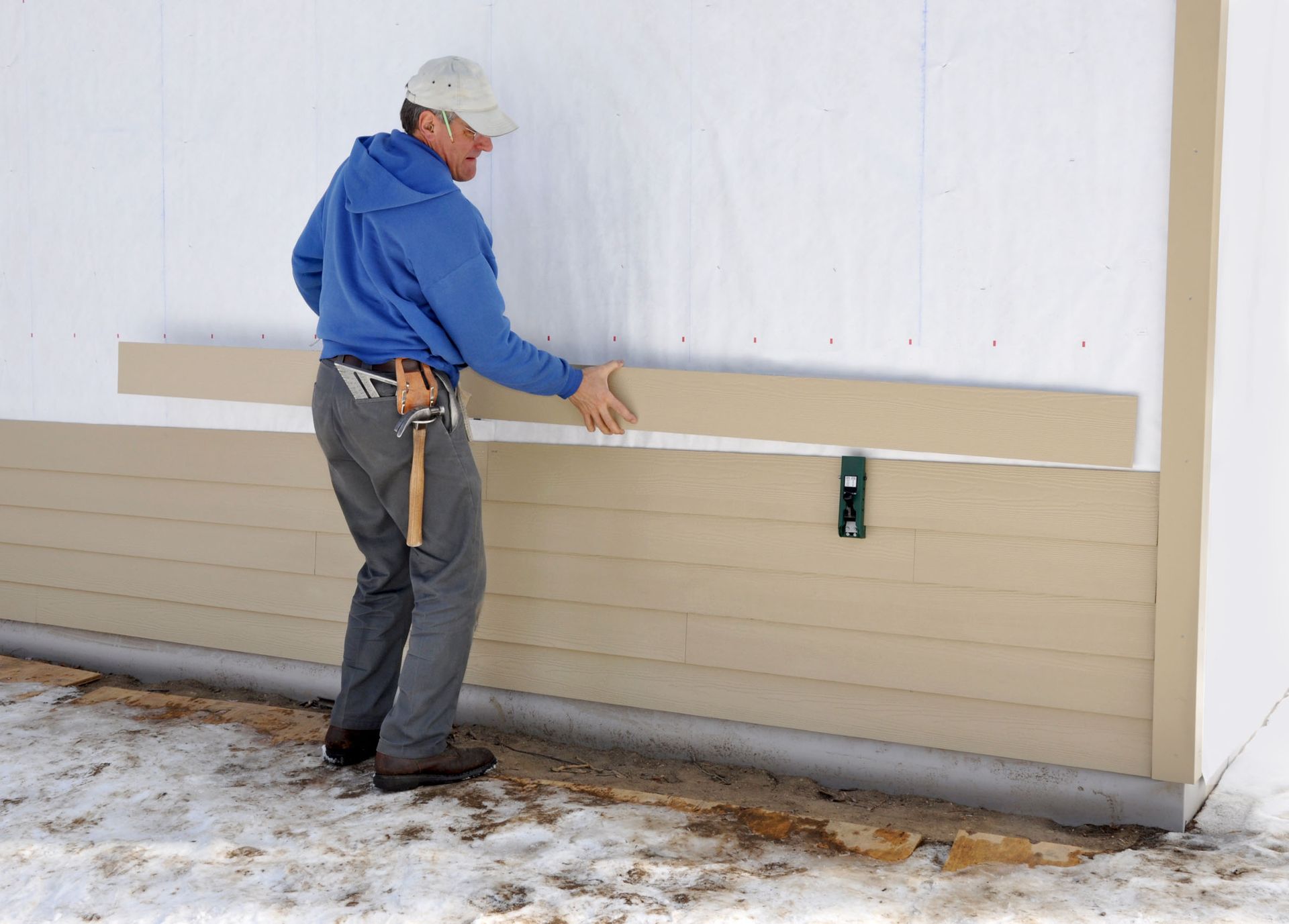
The installation phase can vary significantly depending on the home's size, layout, and selected material. Siding contractors recommend that homeowners familiarize themselves with the general installation timeline so they can plan accordingly. Some projects may take only a few days, while others extend longer due to complexity or weather delays. Moderate weather conditions are ideal, as extreme heat or cold can affect material expansion and installation quality. Clear communication about timing helps minimize disruptions and sets realistic expectations throughout the process.
Long-Term Maintenance Expectations
Maintenance is often overlooked, yet it plays a vital role in protecting your investment. Siding contractors emphasize that each material comes with different care requirements. Vinyl and fiber cement typically need occasional cleaning, while wood siding may require repainting, sealing, or pest treatments over time. Establishing a maintenance plan early helps preserve appearance and performance while reducing the risk of premature wear. Routine inspections also allow small issues to be addressed before they develop into larger concerns.
Energy Efficiency and Insulation Benefits
Another factor homeowners should consider is how siding choices can influence energy efficiency throughout the home. Quality siding materials, when properly installed with appropriate insulation or house wrap, can help reduce air leaks and improve temperature regulation. This added efficiency may lead to lower heating and cooling costs over time, especially in regions with extreme seasonal changes. Siding contractors often explain that while energy-efficient options may have a higher upfront cost, they can deliver meaningful savings and increased comfort in the long run.
A successful siding project is built on knowledge and preparation. By understanding materials, costs, preparation needs, installation factors, and maintenance responsibilities, homeowners place themselves in a stronger position to achieve long-term results. Partnering with knowledgeable siding contractors can provide valuable insight and professional guidance at every stage. With careful planning and realistic expectations, homeowners can move forward confidently, knowing their exterior upgrade will enhance both protection and visual appeal for years to come. Contact our team at Roofers Edge & Siding Inc today and get connected with our siding services.
Share On: