
What to Know About Choosing Roofing Materials With a Roofer
Choosing the right roofing materials can affect how well your home is protected from the elements, how long the roof lasts, and how the exterior looks. With several roofing systems available, homeowners need to consider more than appearance when planning a roof repair or replacement. Working with a professional roofer can help you compare material options based on your home's structure, local weather, budget, and long-term needs. The right material can also support the overall performance of your home's exterior.
Comparing Common Roofing Materials
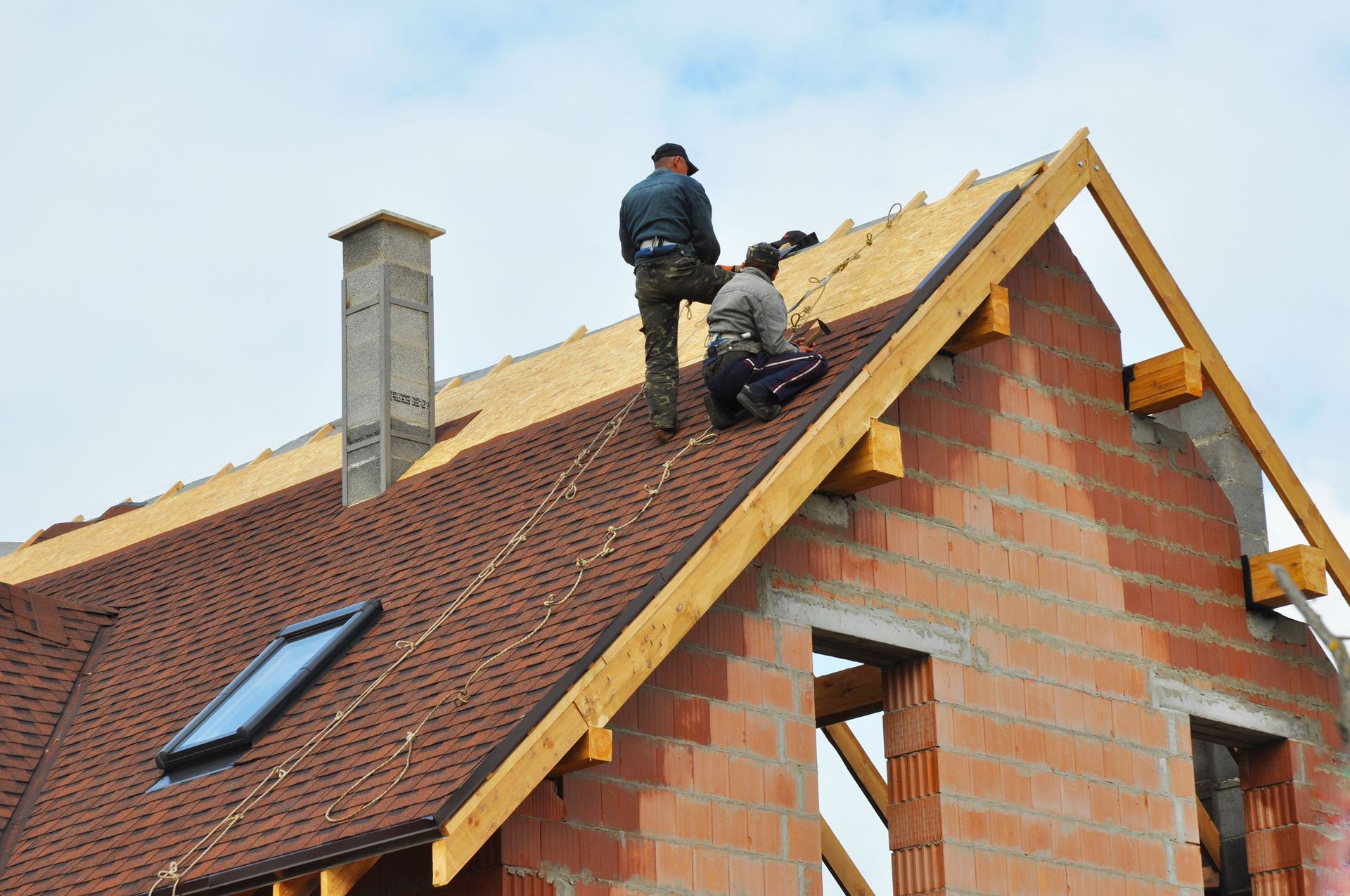
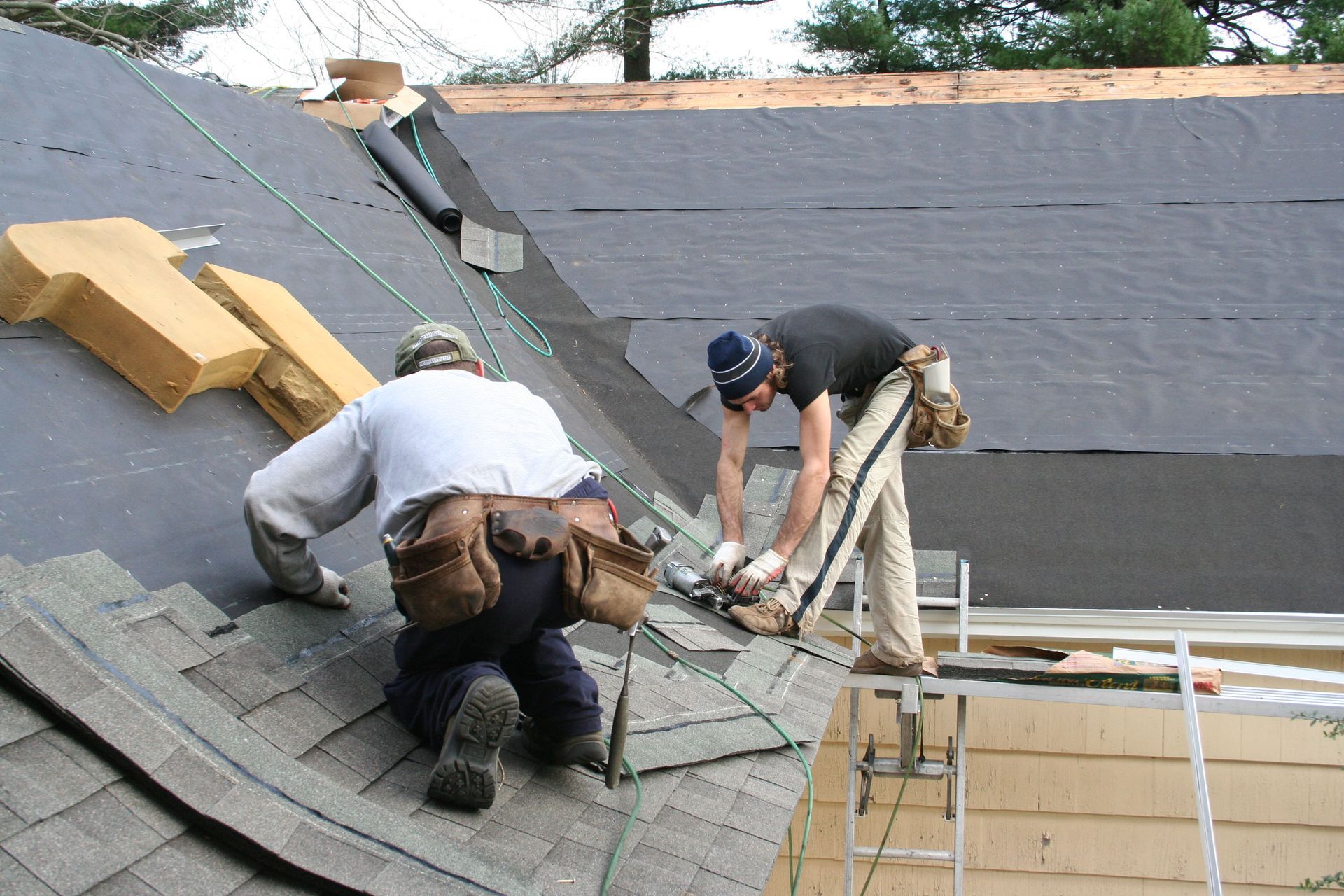
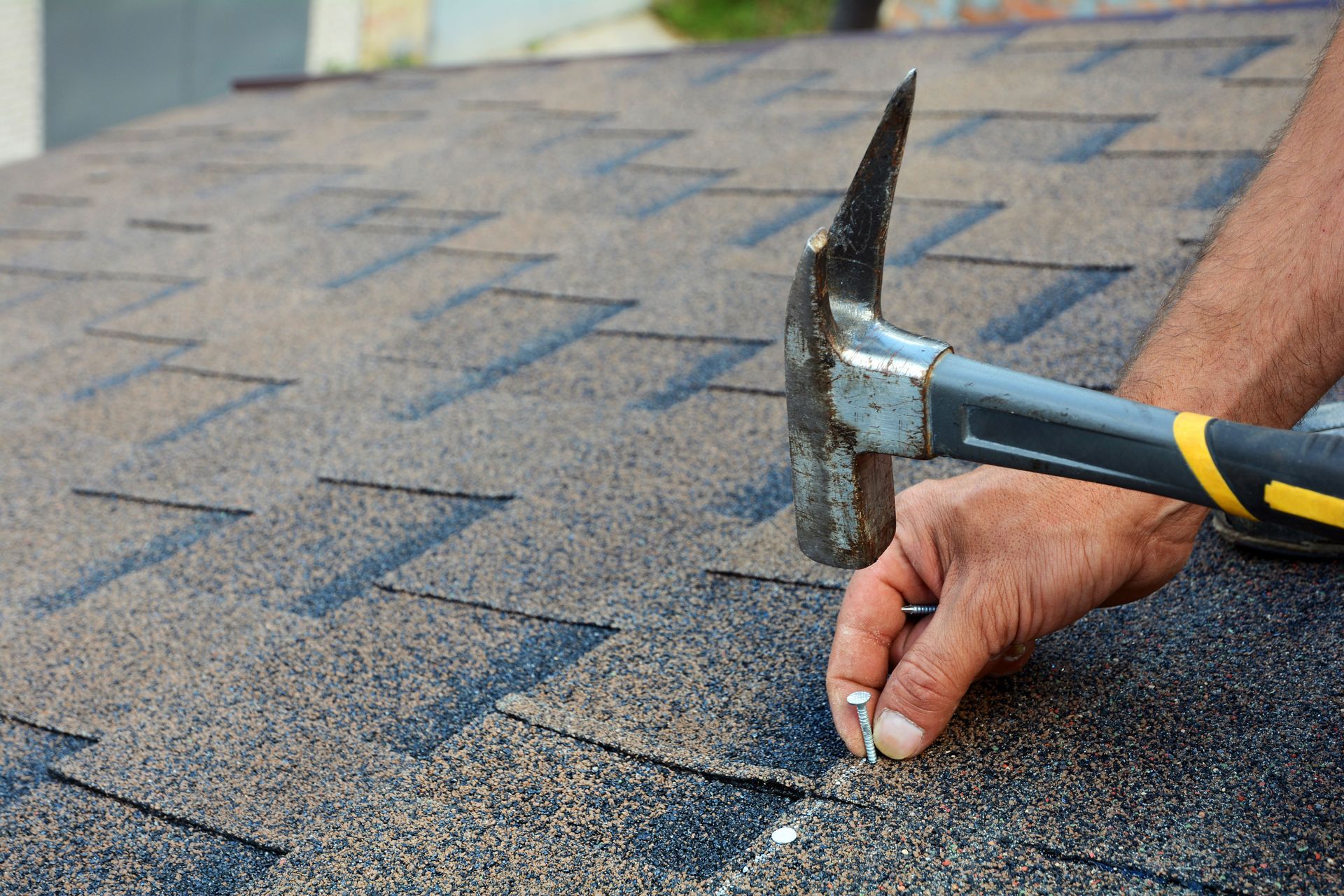
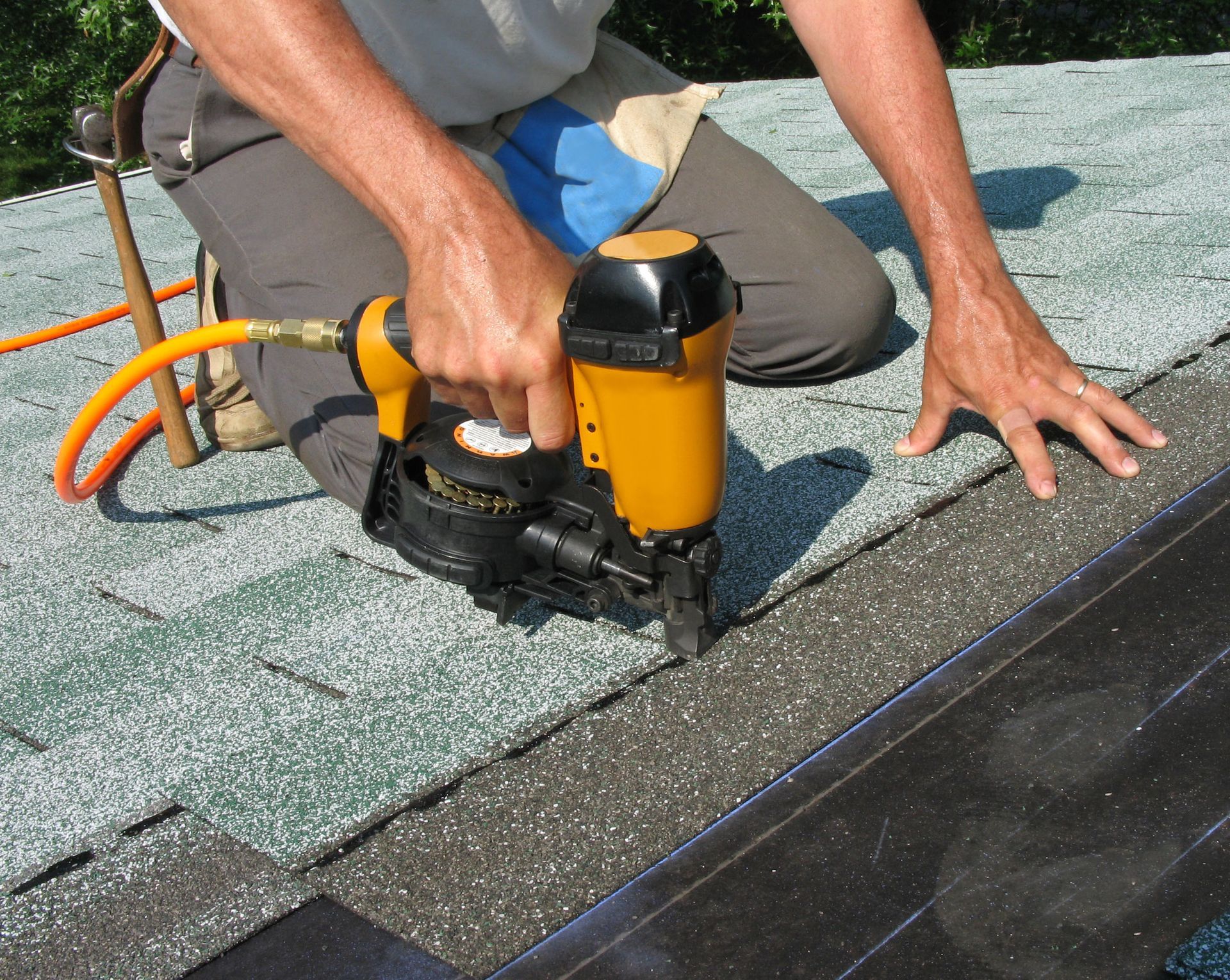
According to RubyHome, asphalt shingles are the most widely used roofing material, appearing on roughly 75% of roofing projects. Their popularity comes from their combination of affordability, durability, and design flexibility. Asphalt shingles are available in different colors and styles, making them suitable for many types of homes, while their relatively straightforward installation can help keep project costs manageable.
Other roofing materials can offer different performance characteristics. Metal roofing, for example, is known for durability and can provide a modern appearance, while tile and slate can create a distinctive architectural look and have long service lives when properly installed. These materials can also have different structural requirements, installation considerations, and price points, so homeowners should evaluate whether a particular system is appropriate for the home rather than selecting a material based only on appearance.
Wood shakes and shingles can provide a natural appearance, but they may require more maintenance than some other roofing systems. Moisture, insects, fire exposure, and local weather conditions can all affect how wood roofing performs over time. Discussing available options with a professional roofer can help homeowners determine which materials fit their particular property and project.
Evaluating Your Home’s Roofing Needs
Climate is an important factor when selecting roofing materials. Homes exposed to heavy rain, snow, strong winds, or changing temperatures need roofing systems that can handle those conditions. Local weather patterns should be considered alongside the home's existing structure and the type of protection the homeowner expects from a new roof.
The roof's slope and structural design also affect material selection. A steeply pitched roof has different drainage characteristics from a low-slope roof, while heavier materials require additional consideration of the home's structural capacity. A roofer can inspect the existing roof and identify conditions that could affect installation, including damaged decking, ventilation concerns, or other issues that should be addressed as part of the project.
The condition of the existing roof should also guide the decision. Some roofing problems can be addressed through targeted repairs, while extensive deterioration, recurring leaks, storm damage, or an aging system can make replacement a more appropriate option. Professional roofing companies can provide both repair and replacement services, along with emergency assistance for urgent problems such as leaks and storm damage.
Balancing Durability and Energy Efficiency
Durability is one of the most important considerations when comparing roofing materials. A material's expected service life, resistance to weather, maintenance requirements, and ability to protect the underlying structure can all affect its long-term value. Homeowners should consider how the material will perform under the conditions their property regularly experiences rather than focusing only on its initial price.
Energy performance can also influence the selection process. Certain roofing systems, ventilation strategies, and insulation improvements can affect how much heat enters or leaves a home. Windows and doors can contribute to exterior energy performance as well, so homeowners completing a larger exterior remodeling project may want to consider how the roof works with other improvements to the home.
Appearance remains another consideration. Asphalt shingles can provide flexibility in color and style, while other materials create different textures and architectural effects. The roof should complement the siding, windows, doors, and other exterior features so the finished project has a cohesive appearance.
Planning for Roofing Costs
Roofing costs depend on several factors, including the material selected, roof size, design, labor requirements, existing damage, and preparation work. The initial material price is only one part of the total project cost. Underlayment, flashing, ventilation components, removal of existing materials, and other necessary work can also affect the final estimate.
Installation requirements can vary significantly between roofing systems. Some materials are easier to handle and install, while others require additional preparation or structural considerations. A professional roofer can evaluate the property and provide a project estimate based on the actual conditions rather than relying on a general price per square foot.
Homeowners should also consider long-term maintenance when comparing costs. A lower initial price does not necessarily mean a lower overall expense if the material requires frequent repairs or earlier replacement. Free estimates and financing options can provide additional ways for homeowners to plan for an exterior improvement project.
Using Professional Guidance During Selection
A roofing professional can begin by examining the current condition of the roof and identifying problems that could affect a new installation. This can include visible damage, leaks, ventilation concerns, structural issues, or areas where previous repairs have failed. Addressing these conditions before installing new materials can help the completed roofing system perform as intended.
Material selection should also account for the home's design, location, budget, and project goals. Rather than choosing a product solely because it looks appealing or has a particular advertised feature, homeowners can compare how different systems address their specific needs. A roofer can explain available materials, installation considerations, warranties, and expected maintenance so homeowners have useful information before moving forward.
Local requirements can affect roofing projects, too. Building codes and permit requirements vary by location, and certain project conditions can require specific materials or installation methods. Working with a licensed and insured company can help homeowners address these requirements as part of the project planning process.
Avoiding Common Material Selection Mistakes
One common mistake is choosing a material without considering the local climate. A roofing system needs to withstand the conditions it will regularly encounter, including moisture, temperature changes, wind, and seasonal weather. Considering these factors before selecting a product can help homeowners avoid premature wear and unnecessary maintenance.
Another mistake is focusing too heavily on appearance or initial cost. A material can look attractive while being poorly suited to the home's structure, or it can have a low upfront price while requiring more maintenance over time. Comparing performance, installation requirements, expected longevity, and total project costs provides a more complete picture.
Homeowners should also avoid overlooking the condition of the existing roof. Installing new materials without addressing underlying damage can interfere with the performance of the new system. A professional inspection can identify concerns before work begins and help determine whether repair or replacement better fits the property's needs.
Choosing the right materials for your roof involves more than selecting a color or comparing prices. Homeowners should consider climate, roof design, existing conditions, durability, maintenance, energy performance, appearance, and total project costs before making a decision. Taking these factors into account can help create a roofing system that fits both the property and the homeowner's goals.
Professional guidance can make the selection process more straightforward by connecting material choices to the actual conditions of the home. An experienced roofer can evaluate the property, explain available options, and provide estimates for the work. If you're ready to discuss roofing materials, repairs, or replacement options for your home, contact Roofers Edge & Siding Inc to request a free quote and explore the right solution for your property.
Share On: