
How to Choose the Best Roofing Service Today
Selecting a new roof for a home represents one of the most substantial financial investments a property owner will undertake over the course of homeownership. Because the roof serves as the primary barrier against harsh weather conditions, moisture intrusion, and structural damage, choosing the proper professionals to handle the job is essential. Navigating the modern market requires a detailed, organized framework to filter through hundreds of local contractors, varying material grades, and complex pricing structures. The decision affects not only the immediate structural integrity of the house but also its long-term market value, overall energy efficiency, and curb appeal.
The process begins by recognizing that not all contractors possess the same level of expertise, licensing, or commitment to quality workmanship. A poorly executed installation can lead to severe structural issues, premature leaks, and costly interior repairs that far outweigh any initial savings gained from choosing a low-bid contractor. By taking time to establish clear criteria, property owners can confidently navigate the selection process while minimizing financial and operational risks.
Assessing Specific Project Requirements
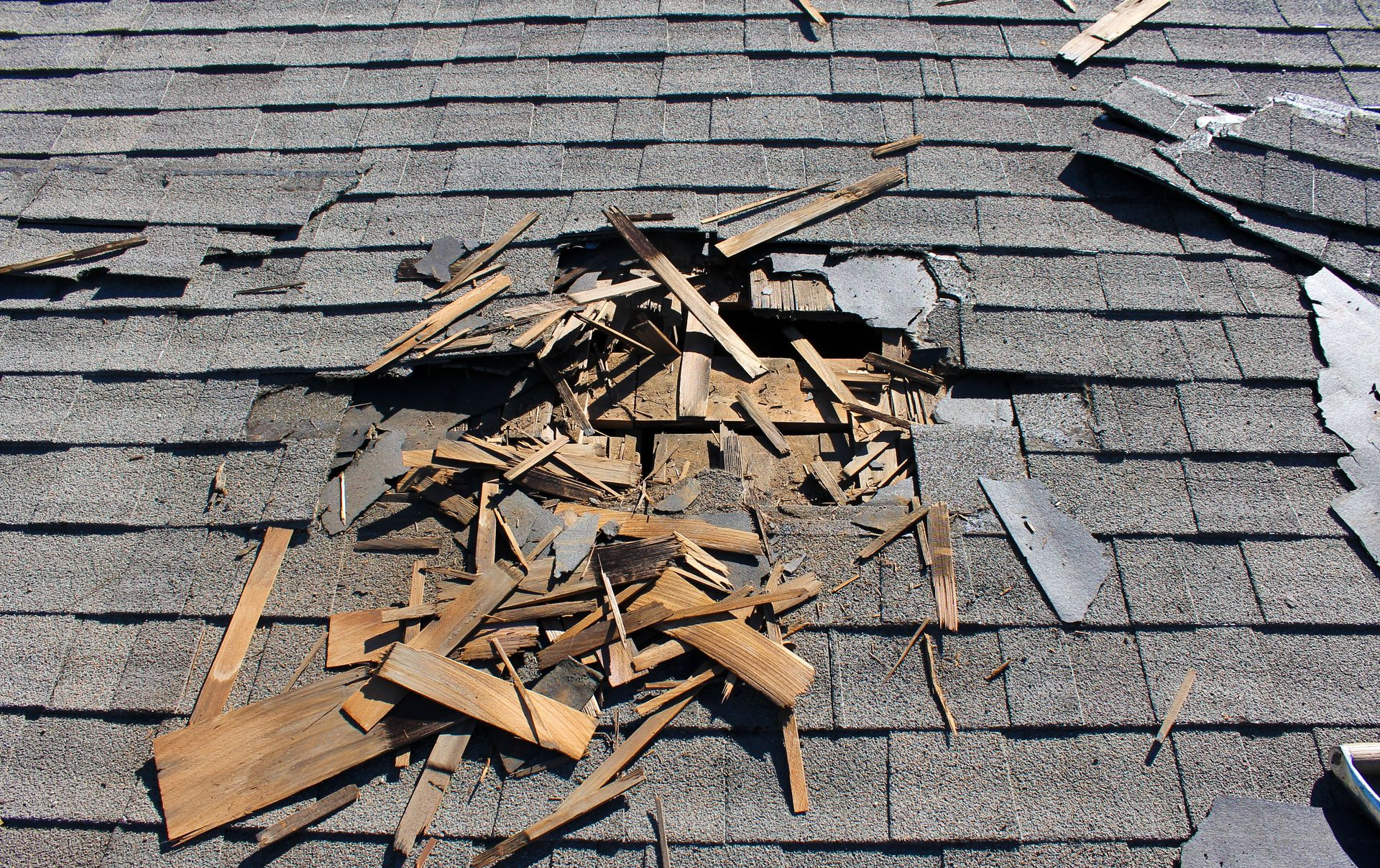
Evaluating the existing condition of your home structural cover is the foundational step before contacting local contractors for estimates. Homeowners must conduct a ground-level inspection to identify visible warning signs such as missing shingles, rusted flashing, sagging gutters, or moss accumulation. Indoors, checking the attic for water stains, mold growth, or light leaking through the decking can help determine whether a simple repair will suffice or if a complete tear-off is necessary. By critically evaluating these factors, you can decide on the urgency of the interventions required. Additionally, according to HomeGuide, a new roof can raise your home's value, delivering between a 60% to 85% return on investment, particularly if high-quality materials are used.
Understanding the difference between localized repairs and total replacement saves time and prevents unnecessary capital expenditure. If the current surface is nearing the end of its intended lifespan, attempting incremental patch jobs often results in higher cumulative costs over time compared to a full replacement. Documenting the age of the structure, previous repair records, and specific problem areas allows you to communicate efficiently with prospective contractors during initial consultations. Having a firm grasp on your actual needs prevents unscrupulous companies from upselling unnecessary additions while ensuring that genuine structural issues are addressed promptly.
Researching Local Service Candidates
Gathering a list of potential contractors requires looking past flashy advertisements and focusing on verified history, local reputation, and consumer reviews. Start by searching established business directories, state licensing databases, and industry associations to create a shortlist of fully insured candidates. Checking online feedback across multiple third-party platforms reveals patterns regarding a company's punctuality, job site cleanliness, and adherence to initial budget estimates. Avoid contractors who lack a permanent physical office address or those who operate exclusively through temporary contact numbers, as local presence strongly correlates with accountability.
Requesting direct recommendations from neighbors, real estate professionals, and local trade associations provides additional real-world insight into candidate reliability. When speaking with references, ask detailed questions about project timelines, communication quality during unexpected delays, and how the contractor handled post-installation issues. A reputable professional will gladly provide a portfolio of recent local projects and encourage prospective clients to verify their credentials. Selecting a contractor with deep roots in your community ensures they understand local building codes, regional climate challenges, and permit requirements necessary for a smooth installation.
Evaluating Communication and Professionalism
Analyzing initial responsiveness provides clear insight into how a contractor will manage your project once a contract is signed. A professional team promptly returns phone calls, provides clear answers to technical inquiries, and schedules site visits without administrative delays. Clear communication during the estimate phase usually translates to clear communication during construction, reducing the likelihood of miscommunication or unexpected project pauses. Pay close attention to whether the representative takes time to explain technical details or simply pushes for a quick signature on a standardized proposal.
Written documentation serves as the backbone of professional client relations throughout any major home improvement project. Qualified contractors provide detailed, itemized proposals that outline scope of work, labor costs, material specifications, waste removal fees, and permit expenses. They should proactively offer copies of their general liability insurance and workers' compensation coverage directly from their insurance carrier. Insisting on total transparency regarding warranties, payment schedules, and daily site cleanup expectations ensures both parties share identical outcomes before any physical work begins on the residence.
Selecting Quality Materials and Installation Practices
Comparing various structural materials allows property owners to select an option that balances initial costs, climate resistance, and long-term aesthetic goals. Traditional asphalt shingles remain popular due to affordability and ease of installation, whereas metal, tile, and slate offer superior lifespan at a higher upfront investment. Working with a top-rated roofing service ensures access to premium material lines and specialized installation knowledge tailored to your roof pitch and local weather conditions. Investing in superior underlayment, ice and water shields, and ridge ventilation systems extends the life of the surface regardless of the primary material chosen.
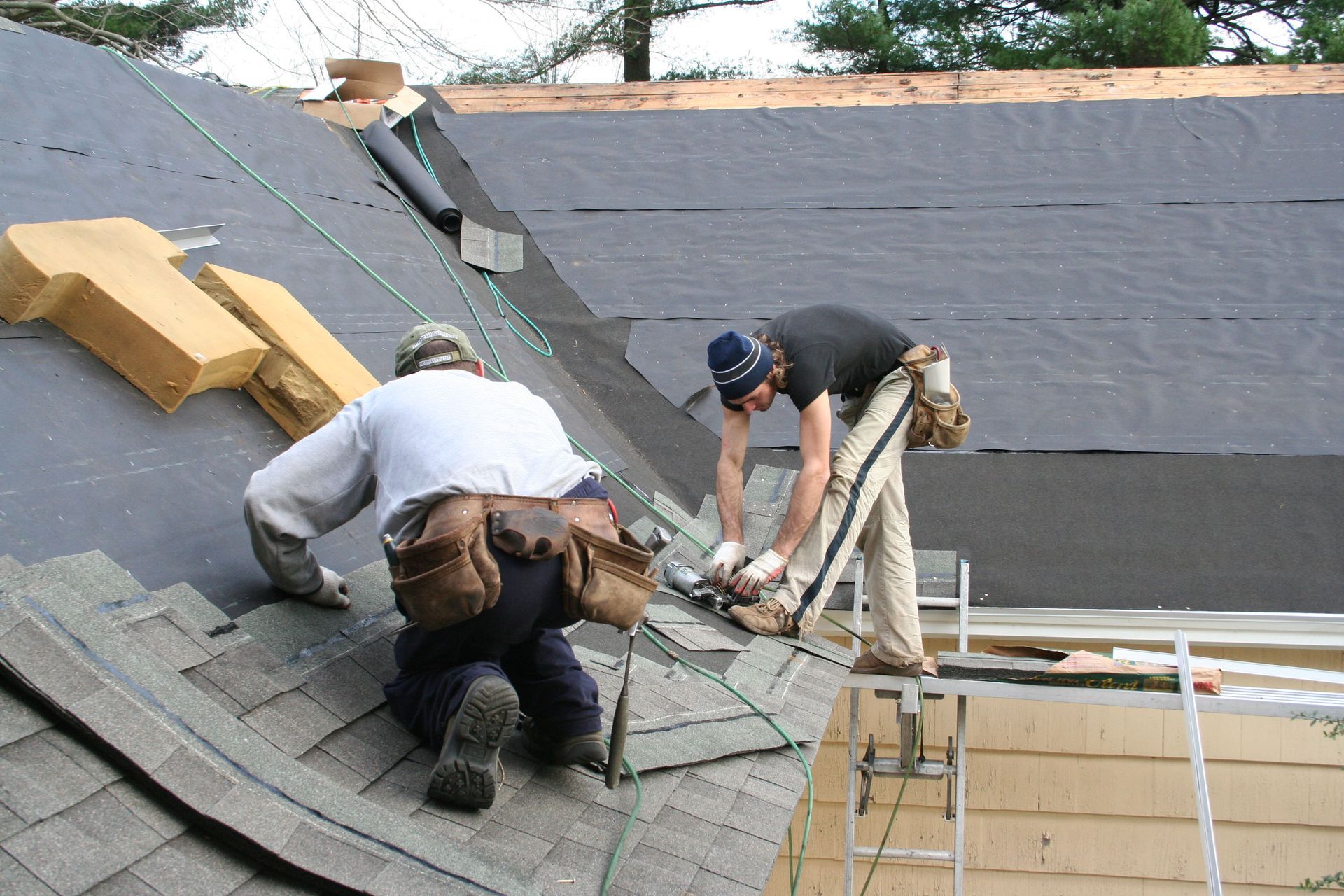
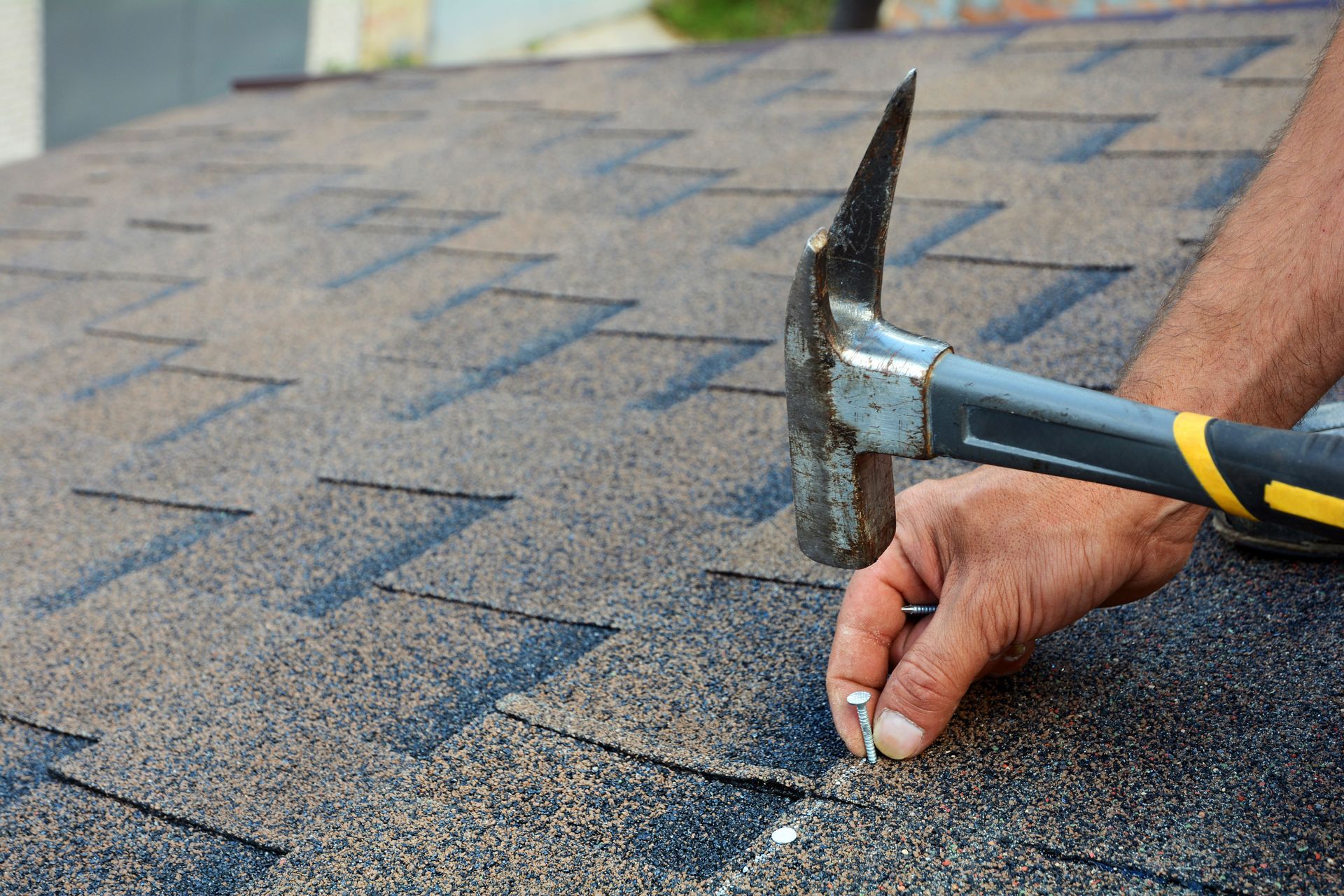
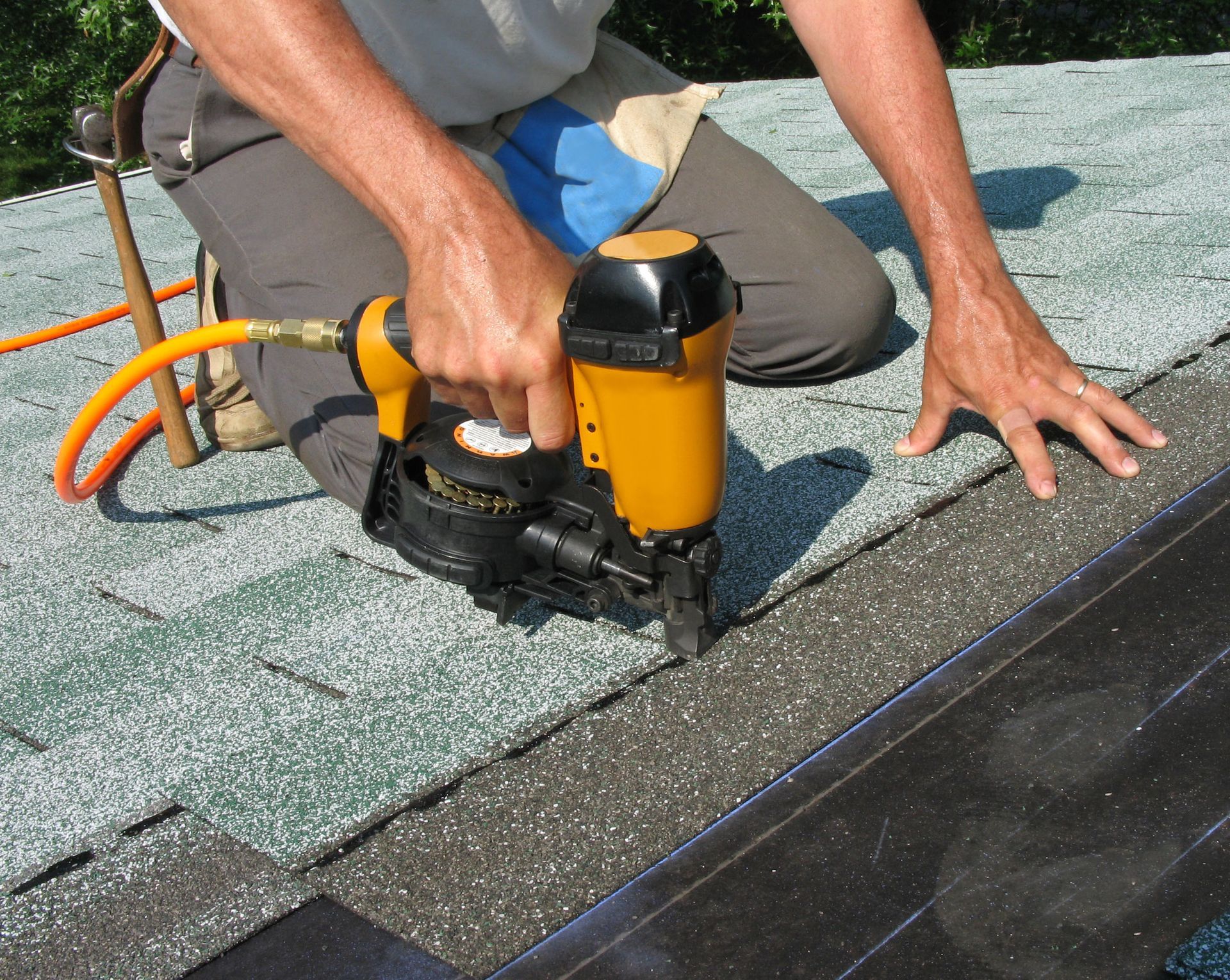
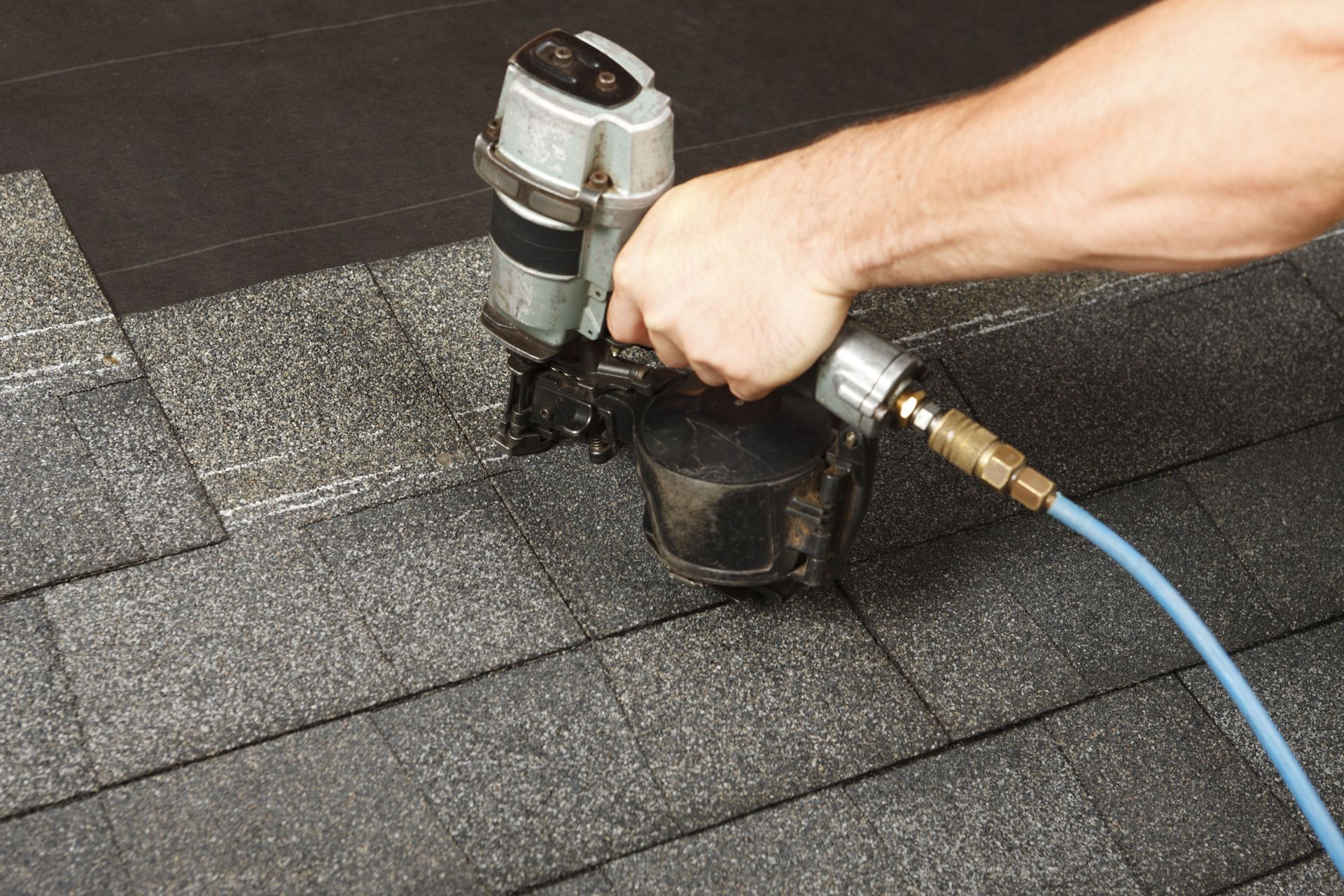
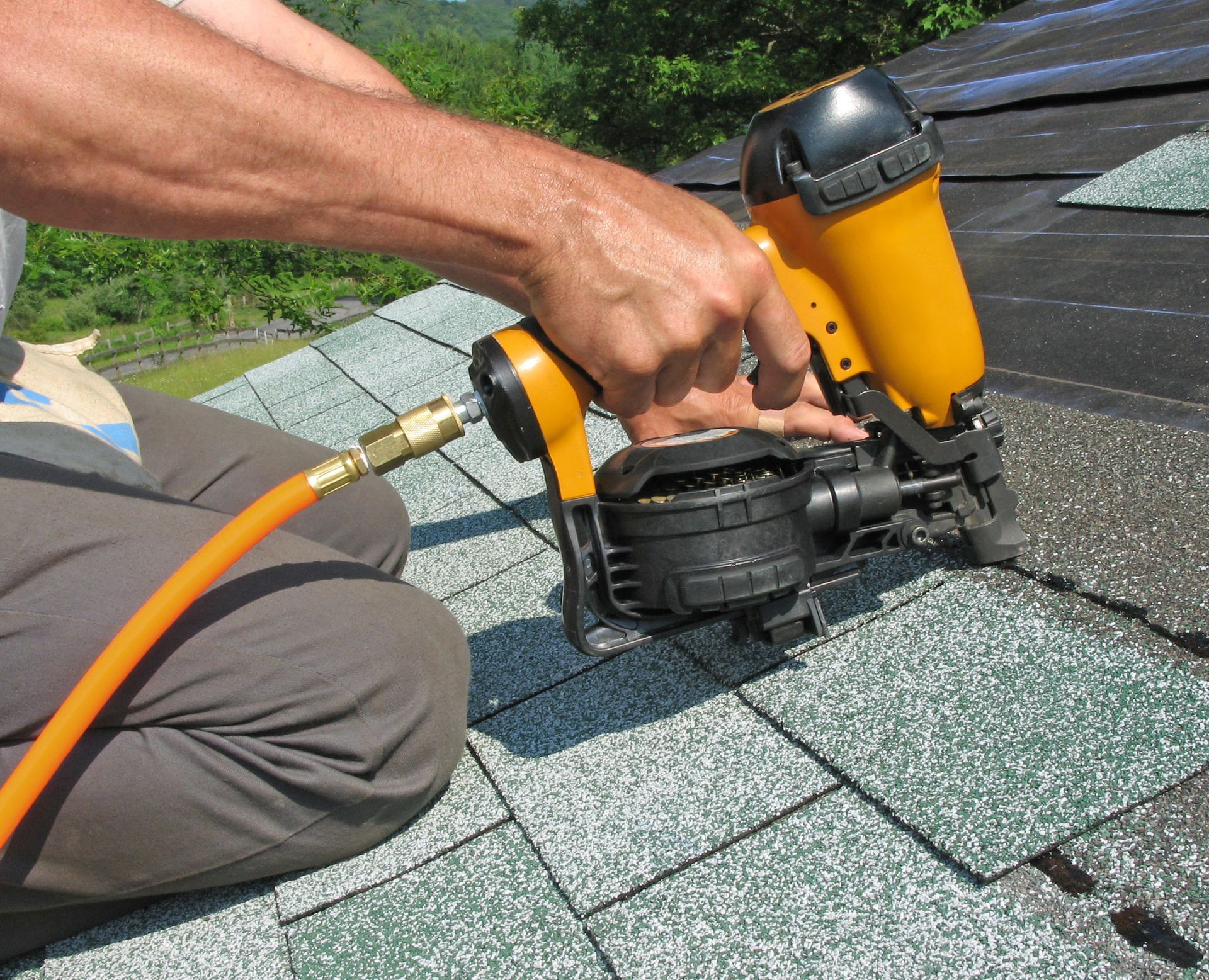
Understanding modern installation techniques is just as critical as choosing the right material, as improper installation voids manufacturer warranties. High-caliber contractors strictly follow local building codes, manufacturer nailing patterns, and proper flashing techniques around chimneys, skylights, and valleys. Partnering with an experienced roofing service guarantees that workers employ safe practices, protect surrounding landscaping, and use modern equipment to prevent structural damage to the property. Reviewing the specific installation methods proposed by each candidate helps verify that their team adheres to strict industry standards.
Analyzing Estimates and Financing Packages
Comparing detailed written quotes requires looking beyond the bottom line figure to evaluate total value. An unusually low bid often signals the use of inferior materials, uninsured subcontractors, or hidden fees that will surface midway through construction. A comprehensive proposal from an established roofing service breaks down labor costs, material grades, tear-off expenses, disposal fees, and permit costs clearly. Evaluating these items side by side helps homeowners identify missing items and ensure each contractor is bidding on identical scopes of work.
Investigating payment terms and financing options helps manage cash flow while securing high-quality materials for your residence. Legitimate companies rarely demand full payment upfront; instead, they establish a structured payment schedule tied to project milestones or material delivery dates. Many top companies partner with financial institutions to offer flexible payment plans that make full replacements more accessible. Before signing any financial agreements, carefully review interest rates, processing fees, and payment schedules to ensure the agreement fits comfortably within your long-term household budget.
Executing Finalizing Actions and Project Initiation
Narrowing your list down to a single professional involves reviewing all gathered data, checking final references, and scheduling a pre-construction consultation. Use this final interview to confirm timeline details, crew sizes, daily start times, and property protection plans. Working with a dedicated roofing service allows you to address final questions regarding material delivery, driveway access, and severe weather contingencies. Confidence in your choice comes from combining factual research, clear pricing, verified credentials, and open communication throughout the preliminary stages.
Securing a finalized written contract protects both the homeowner and the installation crew from scope creep and unexpected disputes. Ensure the agreement contains precise details regarding material brands, colors, project start and completion dates, warranty coverage, and payment terms. Never allow work to commence based on verbal promises alone; every change order or modification must be documented in writing and signed by both parties.
Selecting the right professional contractor requires careful planning, detailed candidate screening, and a systematic approach to comparing proposals. By evaluating project needs, researching local candidate reputations, checking material specifications, and insisting on clear written contracts, homeowners can successfully navigate the process. Choosing a verified
roofing service ensures that your project receives skilled craftsmanship, professional oversight, and robust warranty protections. Taking these structured steps guarantees long-term performance, protecting both your family and your real estate asset for decades to come. To secure your property with industry-leading installation, contact Roofers Edge & Siding Inc today to schedule a comprehensive site evaluation and detailed project estimate.
Share On: