
Top 5 Questions About Roof Replacement Answered
A roof protects a home from rain, wind, temperature changes, and other environmental conditions. Over time, however, roofing materials can deteriorate, and even a well-maintained roof may eventually need substantial repairs or replacement. Understanding when to consider a new roof, what the project involves, and how to prepare can help homeowners make informed decisions about their property's long-term protection.
Roof replacement is a significant home improvement project, so it is natural to have questions about timing, materials, costs, and the installation process. Recognizing warning signs early and consulting an experienced roofing professional can help homeowners understand their options before minor concerns develop into more extensive problems.
Whether a roof has reached the end of its expected lifespan or has experienced damage during a storm, learning the answers to common questions can make the planning process more manageable. The following five questions address important considerations for homeowners preparing for a potential roofing project.
1. How Can You Tell When a Roof Needs Replacement?
Roofing materials gradually wear down as they experience sunlight, precipitation, temperature fluctuations, and seasonal weather. Although the rate of deterioration varies by material, installation quality, ventilation, and maintenance, certain warning signs may indicate that a roof requires professional attention.
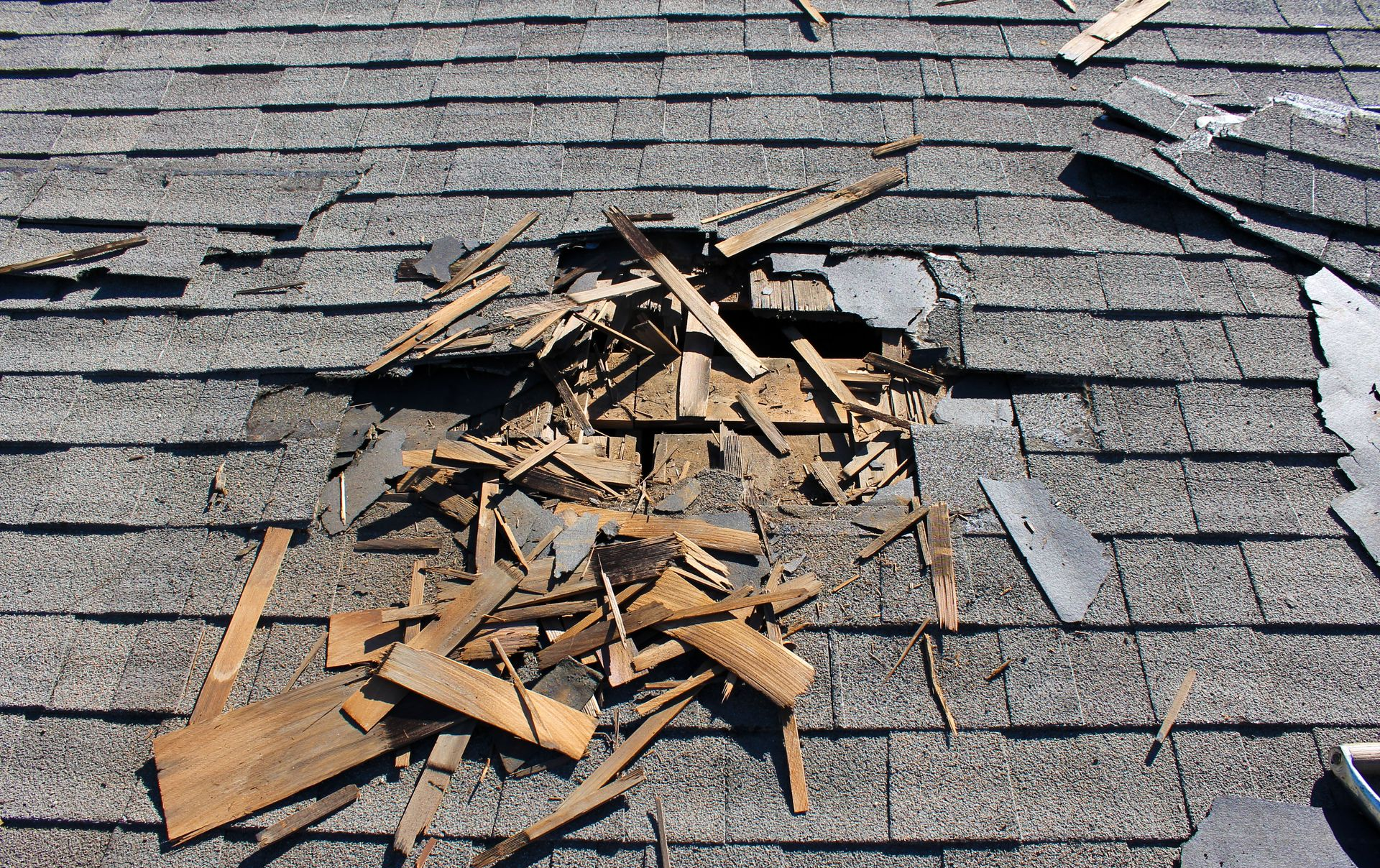
Missing, cracked, curling, or deteriorating shingles can suggest that the roofing system is no longer performing as intended. Homeowners may also notice granules accumulating in gutters, water stains on ceilings, peeling paint near rooflines, or recurring moisture problems in the attic. While these symptoms do not automatically mean a complete replacement is necessary, they warrant further evaluation.
The roof's age is another important consideration. Asphalt shingle roofs commonly last approximately 20 to 30 years, although actual service life depends on the product, installation, climate, and maintenance. Other roofing materials may have different lifespans, making it important to evaluate the specific system rather than rely on a single age threshold.
According to Modernize, repairing isolated damage is generally preferred for roofs less than 15 years old, whereas older roofs or those with extensive damage may benefit more from full replacement. This distinction provides a useful starting point, but the appropriate solution depends on the roof's actual condition.
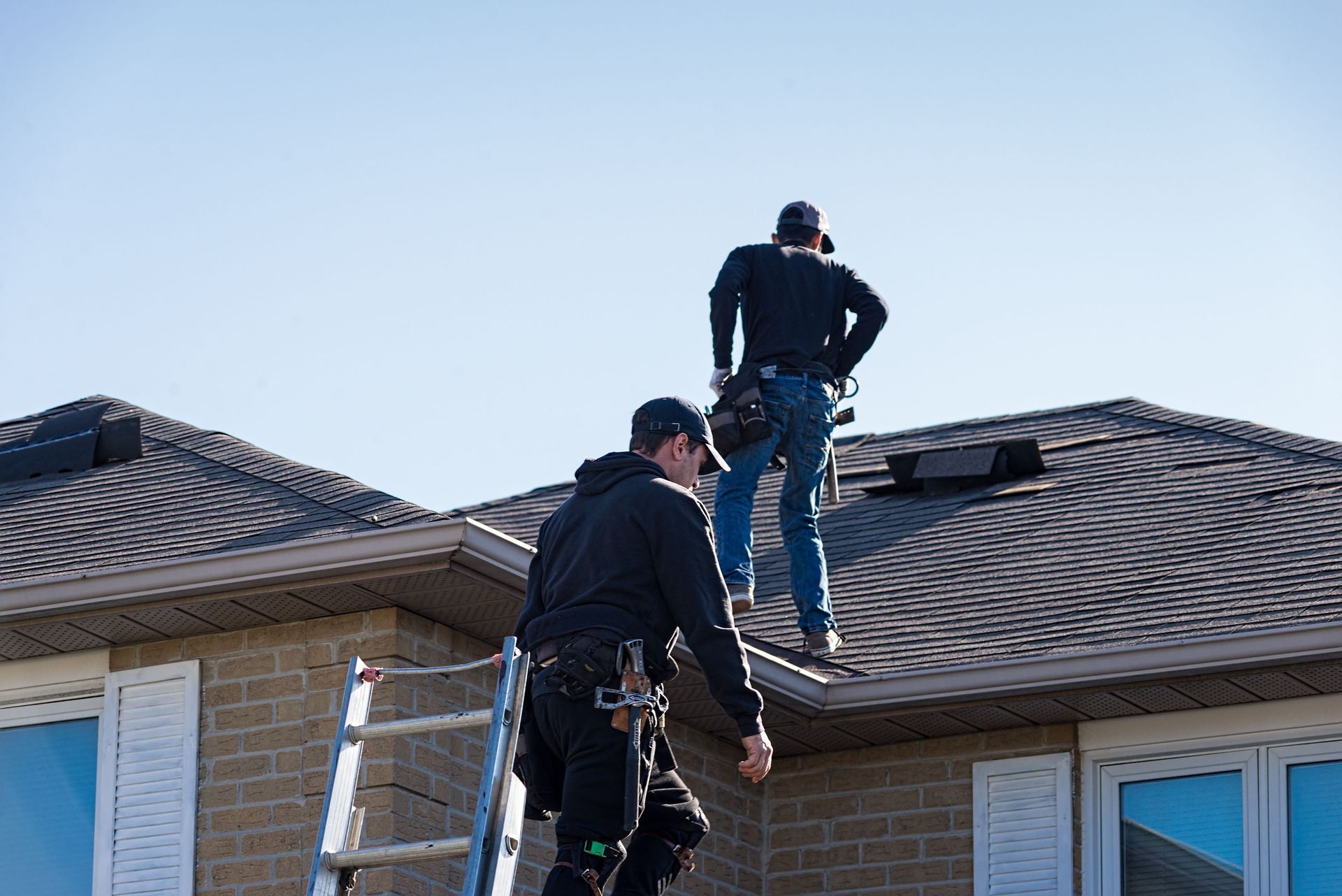
Leaks deserve particular attention because water can damage insulation, framing, drywall, and other parts of a home if the source remains unresolved. Homeowners should contact a qualified roofer when they notice persistent leaks, extensive material deterioration, or signs of structural concerns. A professional inspection can help establish whether targeted repairs or a new roofing system would provide more dependable protection.
2. How Much Does Roof Replacement Cost?
The cost of replacing a roof depends on several factors, including roof size, material selection, design complexity, labor requirements, and the condition of the underlying structure. Because every property is different, homeowners should avoid relying exclusively on general online estimates when establishing a realistic project budget.
Roofing materials can significantly influence the total investment. Asphalt shingles are widely used because they offer a range of styles and price points. Metal roofing, architectural shingles, and other specialized materials may have different purchase and installation costs, along with varying maintenance requirements and expected service lives.
Roof design also affects pricing. A steep roof, multiple valleys, dormers, skylights, or other architectural features may require additional labor and careful detailing. If the existing roof has deteriorated decking, damaged flashing, or moisture-related problems, correcting those issues can increase the overall project cost.
Homeowners should request detailed written estimates outlining materials, labor, disposal, and potential repairs. A qualified roofer should explain possible price changes and project requirements. Comparing warranties, durability, maintenance needs, and long-term value helps homeowners select a roofing solution that fits their property's condition and budget.
3. Which Roofing Materials Are Best for Your Home?
Choosing roofing materials involves balancing appearance, durability, budget, and performance. The best option depends on the home's architectural style, structural characteristics, local building requirements, and the weather conditions the roof must withstand.
Asphalt shingles remain a common choice for residential properties because they are available in numerous colors and styles. They can complement many architectural designs and generally offer a range of options for different budgets. Their performance and longevity depend on the specific product, installation quality, ventilation, and maintenance.
Metal roofing is another option homeowners may consider. Depending on the system, metal roofs can provide durability, reflect some solar radiation, and offer a distinctive appearance. Initial costs may be higher than those of some shingle systems, so homeowners should compare expected service life, installation requirements, and long-term value.
Choosing roofing materials depends on the home's structure, roof pitch, local codes, and climate. Heavy rain, strong winds, and temperature changes can affect performance. A roofing professional can explain suitable options, compare warranties, and recommend a system that provides reliable protection while meeting the property's specific needs.
4. How Long Does a Roof Replacement Take?
The timeline for replacing a roof depends on the size of the property, the roofing material, the complexity of the design, and the condition of the existing structure. Many standard residential projects can be completed within one to several days, although larger or more complicated jobs may take longer. A roofer can provide a more accurate estimate based on the project's requirements.
Weather can also influence the schedule. Rain, high winds, extreme temperatures, and other unsafe conditions may delay installation because roofing work requires appropriate conditions for worker safety and material performance. In areas with changing seasonal weather, scheduling flexibility can help accommodate unexpected disruptions.
The condition of the roof beneath the existing materials is another consideration. Once old roofing is removed, the installation team may discover damaged decking or other problems that were not visible during the initial assessment. These issues may need to be addressed before the new system can be installed correctly.
Homeowners can prepare by discussing access, parking, outdoor furniture, landscaping, and other property considerations with the contractor before work begins. It is also helpful to ask how the crew will manage debris, protect surrounding areas, and communicate schedule updates.
Roof replacement involves noise and activity, so households should plan for potential disruptions, especially for pets, children, and remote workers. Before work begins, discuss the project timeline, installation stages, and communication expectations with the contractor to understand what to anticipate and how schedule changes will be handled. An experienced roofer can also explain how unexpected conditions might affect the completion date.
5. How Can You Choose the Right Roofing Contractor?
Selecting a qualified contractor is an important step in protecting the investment a new roof represents. Homeowners should look for a company with relevant roofing experience, appropriate licensing where required, adequate insurance, and a clear process for estimating and completing projects.
Written estimates are essential for understanding the scope of work. A proposal should describe the roofing materials, installation procedures, removal and disposal arrangements, and other services included in the project. Homeowners should also ask how additional repairs will be approved if concealed damage is discovered after work begins.
Review a contractor’s experience, reputation, references, and previous projects before making a decision. Compare written estimates, understand warranty coverage, and discuss scheduling, cleanup, and communication expectations. Working with a qualified professional helps homeowners evaluate roofing options, understand the installation process, and make informed decisions about their investment.
Roof replacement is an opportunity to improve a home's protection, appearance, and long-term performance. By understanding warning signs, comparing materials, planning for project costs, and choosing a qualified contractor, homeowners can approach the process with greater confidence. Roofers Edge & Siding Inc helps homeowners explore roofing solutions suited to their properties and project needs. Visit Roofers Edge & Siding Inc to contact the team and discuss your roof replacement options.
Share On: