How to Choose the Best Siding for Your Home?
Choosing the right siding for your home involves more than selecting a color or style. Your home's exterior protects the structure from rain, wind, temperature changes, and other environmental conditions. The right material can improve energy efficiency, reduce maintenance, and increase curb appeal while providing lasting protection.
With so many options available, homeowners must consider durability, installation costs, appearance, and long-term upkeep before making a decision. Professional siding services can help you compare materials, assess your home's needs, and determine which products offer the best value.
What Materials Are Available for Siding?
Homeowners can choose from several siding materials, each offering a different combination of cost, appearance, durability, and maintenance requirements.
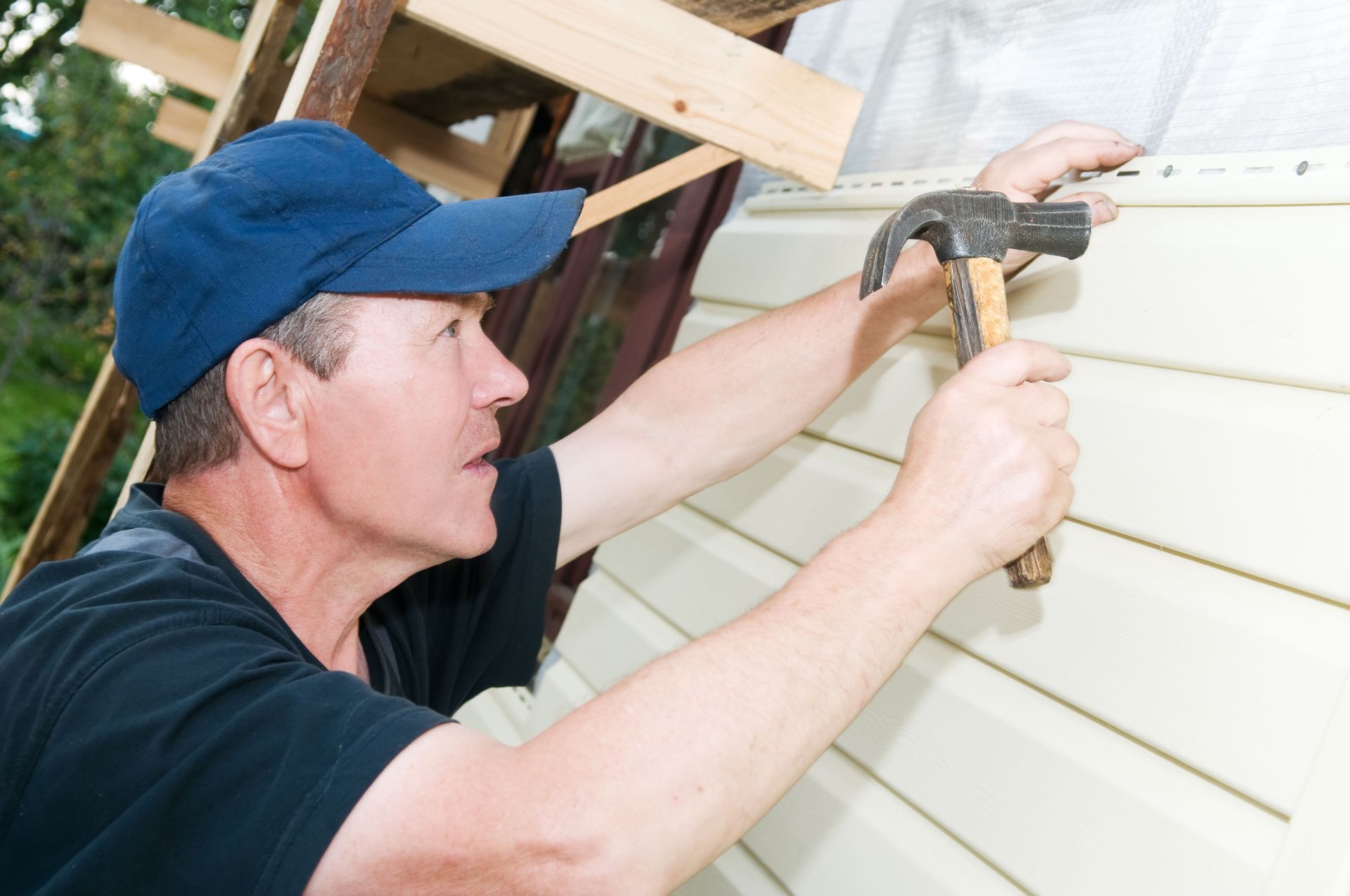
Vinyl siding remains popular because it is relatively affordable, available in numerous colors, and requires minimal maintenance. It does not need painting, and occasional cleaning helps preserve its appearance. However, vinyl can crack in severe cold or become damaged by impacts.
Fiber cement siding offers a durable alternative that can replicate the appearance of wood. It resists rot, insects, and many weather-related problems, making it attractive to homeowners seeking long-term performance. Its disadvantages include a higher initial cost and more demanding installation requirements. Professional siding services can help ensure this material is installed according to manufacturer specifications.
Wood siding provides a natural appearance that complements traditional, rustic, and contemporary homes. Cedar and other suitable wood species offer distinctive grain patterns and warmth. However, wood generally requires regular painting or staining and protection against moisture, insects, and decay.
Engineered wood combines wood fibers with protective treatments to improve consistency and durability. It can offer the appearance of traditional wood while reducing some maintenance concerns, although correct installation and moisture management remain essential.
Metal siding, including steel and aluminum, provides another option. It is durable, resists insect damage, and suits modern architectural styles. Steel can rust when its protective finish becomes compromised, while aluminum may dent relatively easily.
Brick and stone veneer appeal to homeowners seeking a substantial, traditional appearance. These materials can offer excellent longevity, although installation costs are often higher.
How Does Climate Affect Siding Choices?
Your local climate should play a major role in determining which siding material is appropriate. An exterior that performs well in a mild, dry region may require additional consideration in an area with freezing winters, heavy rainfall, or significant temperature fluctuations.
In cold climates, siding must withstand freezing temperatures without cracking or allowing moisture to reach the underlying structure. Properly installed vinyl and fiber cement can both perform well when homeowners select suitable products and follow manufacturer recommendations.
Homes in rainy or humid regions need siding systems that manage moisture effectively. Wood remains an option, but it requires protective coatings, appropriate ventilation, and regular inspections. Fiber cement resists rot, although its performance still depends on correct installation and effective water management.
In areas with intense sunlight, ultraviolet resistance becomes another important consideration. Some siding products are more susceptible to fading than others, so compare color-retention warranties and product specifications. Darker colors may also absorb more heat, potentially affecting expansion and contraction.
Wind exposure deserves attention, particularly in coastal areas or locations that experience severe storms. Siding must be securely fastened according to applicable building codes and manufacturer requirements. Homeowners should also consider impact resistance where hail or flying debris is a concern.
What Are the Costs Associated With Different Siding Options?
Siding costs vary according to material, home size, labor requirements, existing exterior conditions, and installation complexity. Comparing initial prices is useful, but homeowners should also consider maintenance expenses and expected service life.
Vinyl is generally among the more affordable options, making it appealing for homeowners seeking an exterior update without a substantial upfront investment. Engineered wood typically occupies a moderate price range, depending on the product and finish. Fiber cement usually costs more to purchase and install than basic vinyl, while natural wood prices vary according to species, grade, and finishing requirements. Metal siding costs also depend on the material, profile, and finish.
Brick and stone veneer often require a larger initial investment because of material costs, specialized labor, and installation complexity. Local labor rates and necessary preparation can significantly affect the final estimate for any project.
When budgeting for
siding services, request itemized estimates covering materials, labor, removal and disposal of existing siding, repairs to underlying sheathing, flashing, and other necessary work. Ask whether the estimate includes permits, trim, insulation improvements, and cleanup. Comparing quotes for the same scope of work provides a more meaningful assessment than simply choosing the lowest price.
It is also worth considering the potential return on investment. According to HomeGuide, replacing old siding typically recovers 75% to 85% of the cost through increased home value, depending on the material. Although this figure does not guarantee what an individual homeowner will recover, it illustrates how siding replacement can contribute to a property's marketability.
How to Maintain Different Types of Siding?
Every siding material requires some maintenance, but the time and expense involved can differ considerably. Understanding these responsibilities before installation helps homeowners select an exterior that fits their lifestyle and budget.
Vinyl siding is relatively easy to maintain. Washing it periodically with mild soap and water removes dirt, pollen, and mildew. Inspect panels for cracks, loose sections, or damage after severe weather, and avoid abrasive cleaning methods that could damage the surface.
Wood siding requires more attention. Regular inspections can reveal peeling paint, deteriorating caulk, insect activity, and early signs of moisture damage. Repainting or restaining at appropriate intervals protects the wood from the elements. Keeping gutters clear and directing water away from exterior walls also reduces the risk of rot.
Fiber cement generally requires less maintenance than traditional wood, but it is not maintenance-free. Inspect painted surfaces, joints, and flashing periodically, and address damaged finishes or failing sealants promptly. Follow the manufacturer's recommendations for cleaning and repainting.
Metal siding generally needs occasional washing and inspections for dents, scratches, corrosion, and loose fasteners. Repairing damaged protective coatings can help prevent more extensive deterioration.
What Are the Visual and Aesthetic Considerations?
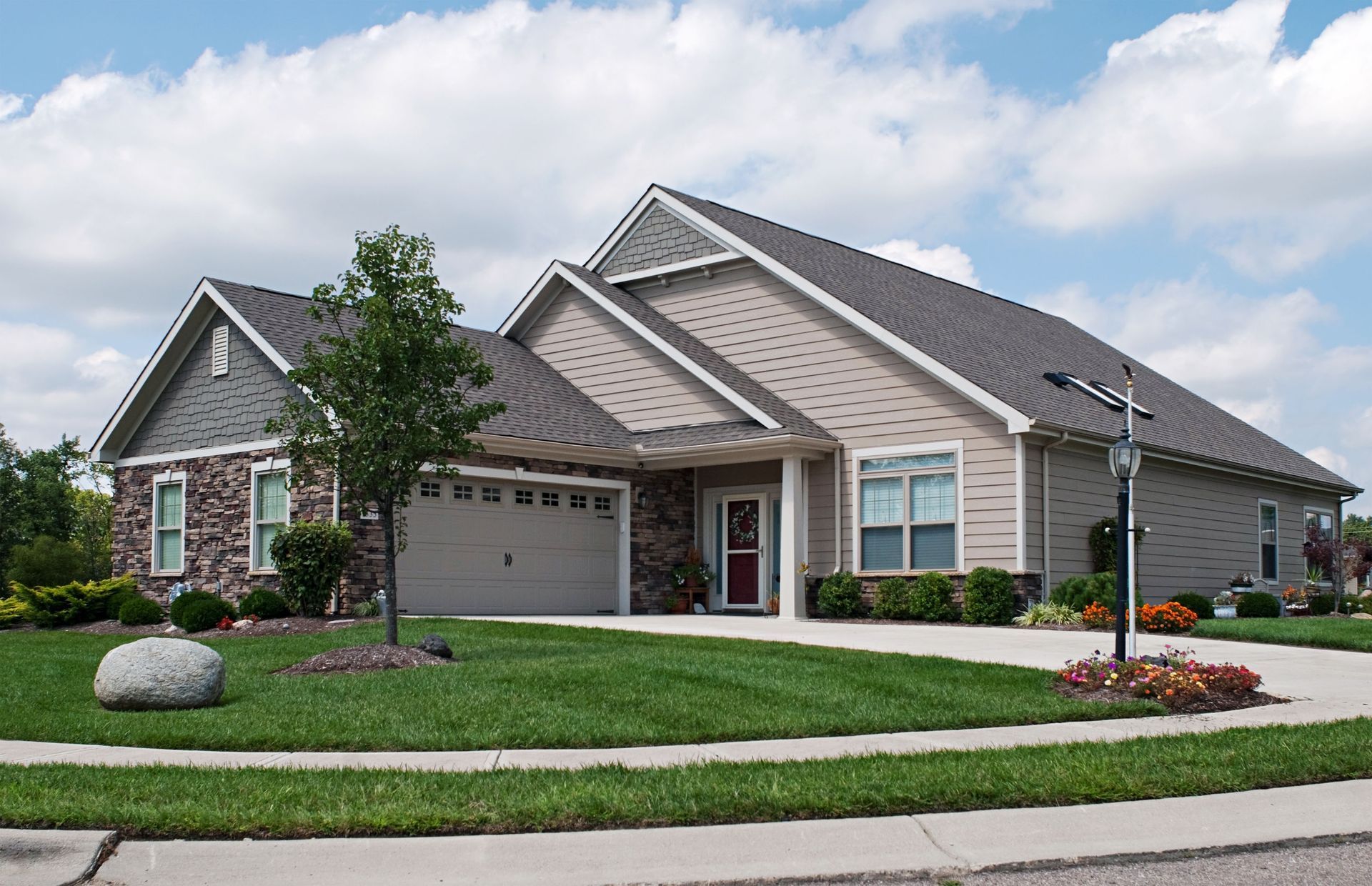
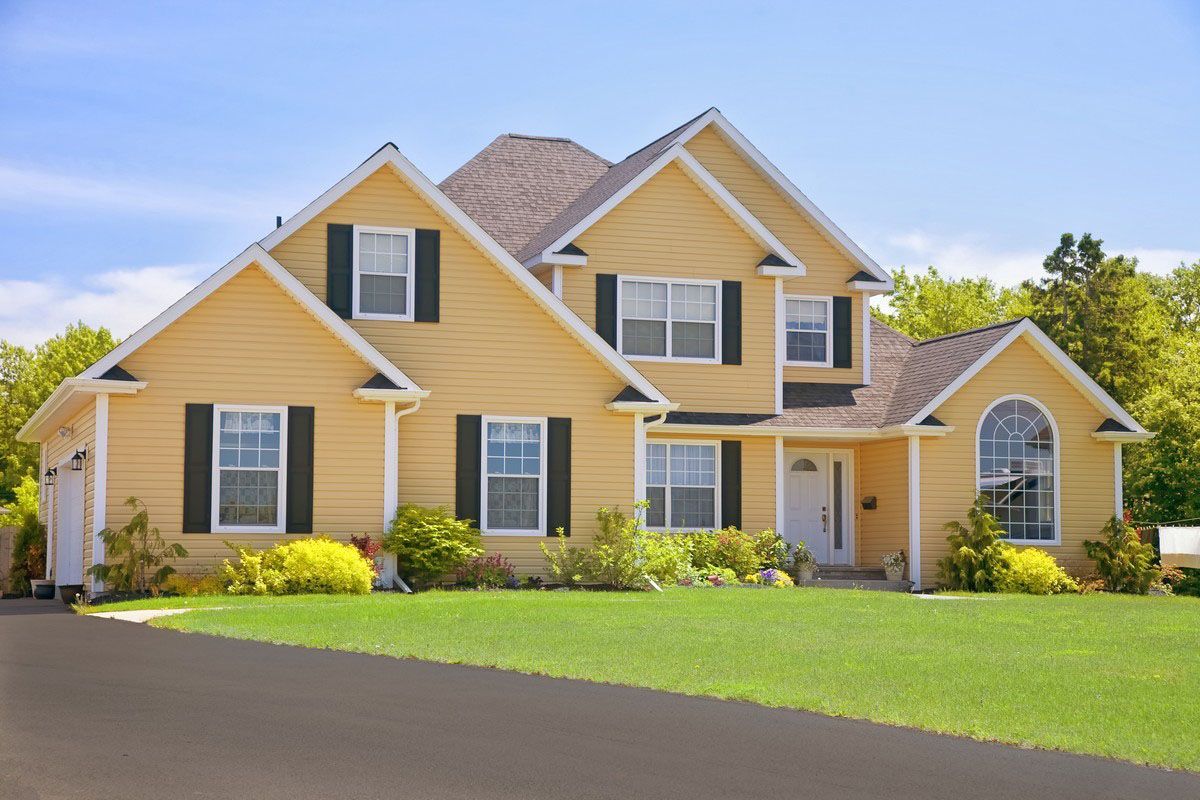
Siding significantly influences your home's architectural character and curb appeal. The right combination of material, color, texture, and profile can complement existing features while refreshing the property's appearance.
Vinyl offers extensive color choices and profiles, including traditional horizontal lap siding, vertical panels, and designs that resemble wood grain. Fiber cement provides similar flexibility, including smooth finishes and textured boards that work well with craftsman, farmhouse, and contemporary homes.
Natural wood delivers distinctive grain patterns and warmth that manufactured materials may struggle to reproduce. Metal siding can create clean lines and a streamlined appearance that suits modern architecture.
Color selection deserves careful consideration. Neutral shades such as gray, beige, and white offer broad appeal, while deeper blues, greens, and charcoal tones create a more distinctive exterior. Consider your roof, window frames, brickwork, landscaping, and neighboring properties before committing to a palette.
Texture and proportions also matter. Horizontal boards can emphasize a home's width, while vertical siding can make a building appear taller. Combining complementary profiles on different architectural sections can add visual interest without overwhelming the design.
Choosing the best siding for your home requires balancing durability, climate suitability, installation costs, maintenance, and appearance. Vinyl offers affordability and convenience, fiber cement provides durability and design flexibility, and wood delivers natural character for homeowners willing to maintain it. Engineered wood and metal provide additional alternatives, while brick and stone veneer appeal to those seeking a traditional exterior. IF you're looking for siding, contact Roofers Edge & Siding Inc today!
Share On: