
Is Fall or Spring the Best Time for a Roof Replacement?
Choosing the right season for a roof replacement can help homeowners manage costs, reduce weather-related delays, and protect their investment. Fall and spring both offer advantages, but the best choice depends on local weather, material requirements, contractor availability, and the condition of the existing roof. Although fall is often preferred for its moderate temperatures, spring can also provide favorable installation conditions when projects are scheduled carefully. Understanding the benefits and limitations of each season helps homeowners make informed decisions that support their property's long-term protection.
Evaluating the Importance of Seasonal Timing
Weather and Installation Conditions
Weather plays a major role in roof replacement. Dry conditions and moderate temperatures allow roofing professionals to work safely and install materials according to manufacturer recommendations. Fall often provides predictable weather, while spring rainfall can complicate scheduling and delay installation.
Homeowners should consider their local climate rather than assuming one season is always better. Experienced roofing contractors can recommend an installation window that supports material performance and efficient project completion.
Roof Age and Replacement Needs
The age of an existing roof can influence replacement timing. According to This Old House, a roof with standard three-tab asphalt shingles typically needs replacement after 15 to 18 years in states with moderate climates. Severe weather, poor ventilation, and inadequate maintenance can shorten a roof's useful life.
Homeowners should watch for curling shingles, missing materials, recurring leaks, and visible deterioration. A professional inspection can determine whether immediate replacement is necessary or whether the project can wait for more favorable conditions.
Project Duration and Safety
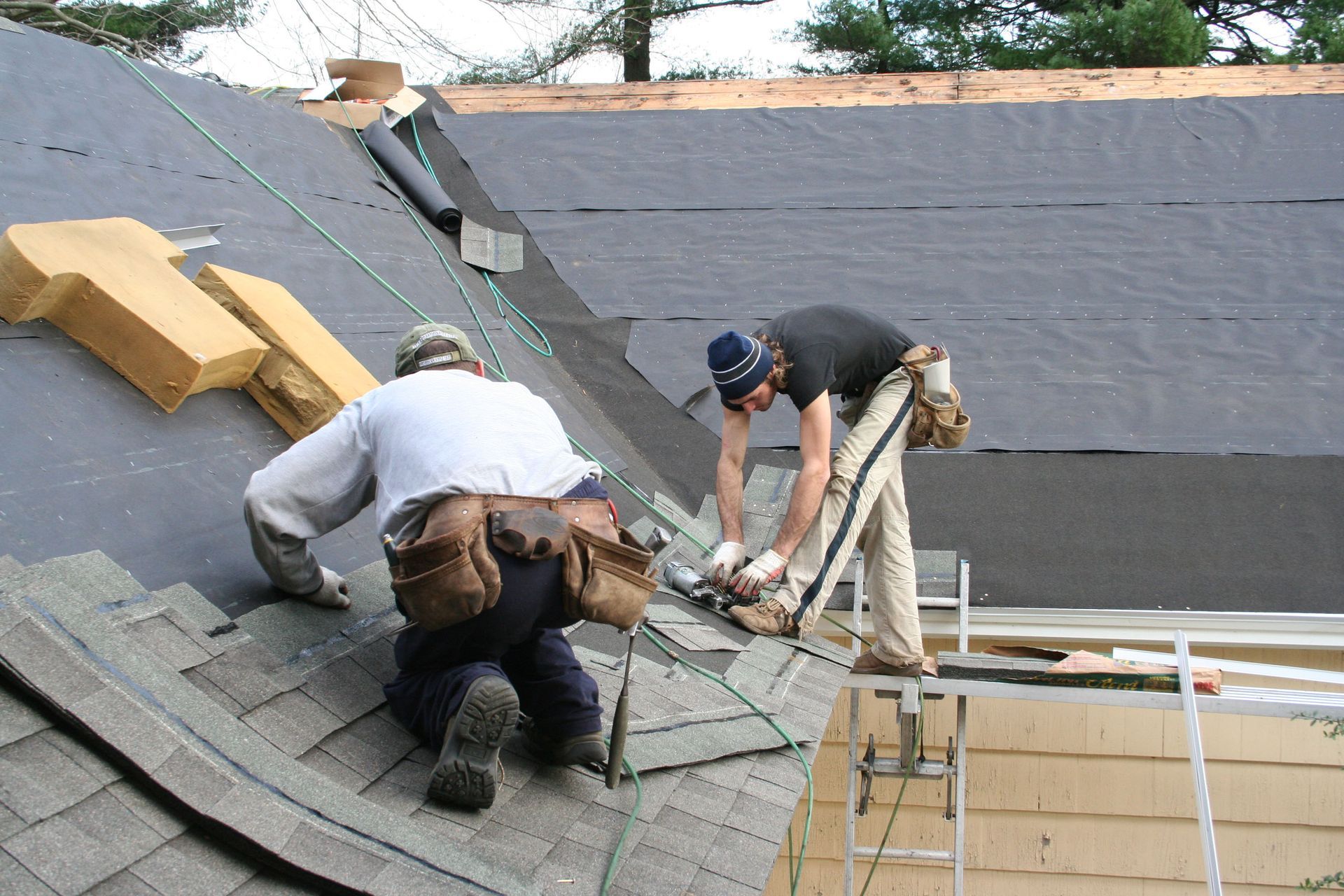
Rain, strong winds, and extreme temperatures can create hazardous working conditions and delay roofing projects. Fall's mild weather can support steady progress, while spring projects may require more flexibility because of changing forecasts. Homeowners should also prepare for temporary noise, equipment placement, and limited access around the property.
Comparing Fall and Spring Weather Conditions
Fall Temperatures and Predictability
Fall is frequently considered an excellent season for roof replacement because temperatures are often moderate and weather patterns can be relatively stable. These conditions help roofing contractors handle materials comfortably and follow recommended installation procedures.
However, early cold spells, heavy rain, and strong winds can affect schedules later in the season. Homeowners should arrange inspections and estimates early enough to secure a suitable installation window before winter arrives.
Spring Rainfall and Temperature Changes
Spring provides an opportunity to replace a roof before summer heat arrives. Rising temperatures and longer daylight hours can support installation, but frequent showers and fluctuating temperatures can make scheduling less predictable.
Roofing professionals must monitor forecasts and protect exposed areas when existing materials are removed. Planning for weather interruptions helps prevent moisture from entering the home.
Humidity and Material Performance
Humidity and temperature can influence how roofing materials perform during installation. Some sealants and adhesives require specific conditions to cure or bond properly, while asphalt shingles may take time to seal fully.
Homeowners should ask their roofing contractors how seasonal conditions affect their selected materials. Following manufacturer guidelines is more important than adhering to a rigid seasonal preference.
Assessing Contractor Availability and Scheduling
Seasonal Demand and Booking Windows
Fall is popular for roof replacement because homeowners want to address roofing problems before winter. This demand can create longer wait times. Spring demand also increases as homeowners assess winter damage and begin exterior improvement projects.
Booking an inspection early can improve scheduling flexibility. When comparing roofing contractors, homeowners should ask about expected start dates, project duration, and procedures for handling weather delays.
Off-Peak Opportunities and Pricing
Scheduling during a less busy period may provide additional flexibility. Some companies may offer competitive estimates when their schedules have openings, although seasonal discounts are not guaranteed. Material availability, labor requirements, and roof complexity also influence pricing.
Homeowners should compare detailed estimates covering materials, labor, removal of existing roofing, and additional work. A clear scope makes it easier to evaluate overall value.
Workmanship and Communication
Availability should never be the only factor when selecting a roofing company. Proper installation, suitable materials, insurance coverage, and clear communication are essential in every season. Homeowners should review credentials, ask about warranties, and confirm how unexpected damage will be handled.
Reliable roofing contractors explain the installation process, discuss scheduling challenges, and provide realistic expectations. Choosing a qualified professional helps prioritize workmanship over convenience alone.
Understanding Material Performance and Project Costs
Shingle Sealing and Temperature Requirements
Asphalt shingles commonly rely on factory-applied adhesive strips that help them seal together. Temperature and sunlight influence this process, so shingles installed during cooler weather may take longer to seal. Wind exposure can be a concern before the adhesive bonds securely.
Spring and fall can both provide suitable conditions, but installers must follow the manufacturer's requirements. Additional precautions may be necessary when temperatures are low or the weather threatens proper sealing.
Material Selection and Durability
Material selection should reflect the property's climate, roof design, and maintenance needs. Asphalt shingles remain a common choice, while metal roofing may offer different benefits related to durability and energy efficiency. Each material has specific installation requirements.
Homeowners should discuss expected service life, ventilation, underlayment, and weather resistance before making a decision. Appropriate materials and correct installation can reduce avoidable repairs.
Budgeting for Seasonal Expenses
Roof replacement costs depend on more than the season. Roof size, slope, accessibility, material type, and underlying structural conditions can affect the estimate. Damaged decking or ventilation problems may require additional work.
Homeowners should request written estimates and maintain a contingency budget for unexpected repairs. Comparing several qualified roofing contractors helps clarify differences in pricing, warranties, materials, and project scope. Looking beyond the initial price can help homeowners avoid unexpected expenses and select a roofing solution that delivers lasting value.
Making the Best Decision for Your Property
Choosing Fall for Planned Replacements
Fall may suit homeowners whose roofs are aging but remain serviceable. Moderate temperatures and relatively stable weather can create favorable installation conditions before winter. Scheduling early is important in areas where autumn demand is high.
Arranging an inspection ahead of the busy season gives homeowners time to compare materials, review estimates, and address structural concerns without rushing. This preparation also allows time to resolve potential issues before the installation begins.
Choosing Spring for Timely Improvements
Spring can be practical for homeowners, replacing a roof after winter or preparing for summer storms. Warming temperatures and longer daylight hours can support productive installation when rainfall is limited.
Because spring showers may interrupt work, professional assessments and flexible schedules are essential.
Prioritizing Urgent Roof Repairs
Not every roof replacement can wait for ideal conditions. Persistent leaks, widespread shingle damage, and sagging areas may require prompt attention. Delaying necessary work can lead to water damage and more expensive repairs.
Qualified roofing contractors can inspect the roof, identify immediate risks, and recommend an appropriate timeline. Protecting the home and ensuring safe installation should take priority over seasonal preferences.
Planning a Successful Roof Replacement
Fall and spring can both be suitable seasons for replacing a roof. Fall often offers moderate temperatures and predictable conditions, while spring provides an opportunity to address winter damage. The best choice depends on local weather, roof condition, materials, budget, and contractor availability.
Homeowners should schedule a professional inspection and compare installation plans instead of focusing exclusively on the calendar. Addressing roofing concerns promptly and choosing quality materials can support long-term performance and protect property value.
For expert guidance on planning a replacement, contact Roofers Edge & Siding Inc. Their team can help assess your roofing needs, discuss suitable installation timing, and determine the next steps toward a durable roof.
Share On: