How Siding Protects Your Home From Moisture and Weather Damage
Siding plays an important role in protecting a home from moisture, harsh weather, and everyday environmental wear. Although it contributes to curb appeal, its primary purpose is to create a protective barrier around the home's exterior. Quality siding helps prevent water infiltration, limits wind damage, and supports indoor comfort. Without adequate protection, exterior walls can become vulnerable to rot, mold, and costly structural repairs.
Choosing appropriate materials and maintaining them properly can help homeowners preserve their property's condition. Professional siding services can also help identify deteriorating materials and determine when an upgrade may be necessary.
Understanding How Siding Protects Your Home
Preventing Moisture From Entering Exterior Walls
One of the most important functions of siding is preventing rain and other moisture from reaching the home's underlying structure. Water that penetrates exterior walls can damage wood framing, weaken sheathing, and contribute to mold growth.
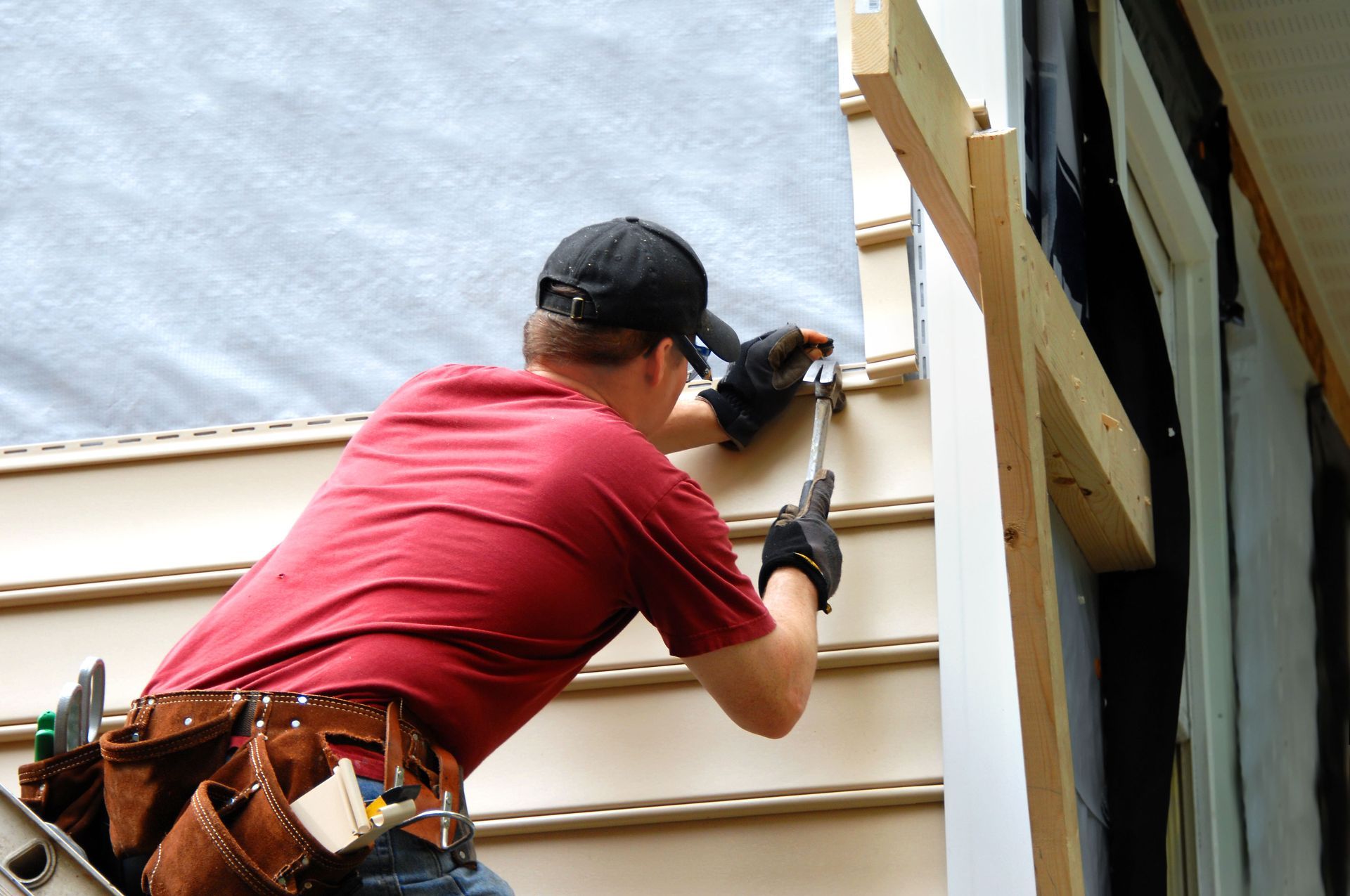
Properly installed siding directs water away from vulnerable areas while limiting openings through which moisture can enter. Overlapping panels, flashing, and sealed joints contribute to effective protection. Professional siding services can address vulnerable areas around windows and doors where improperly protected gaps may allow water to reach the walls.
Replacing deteriorating siding can also provide financial benefits. According to HomeGuide, replacing old siding typically recovers 75% to 85% of the cost through increased home value, depending on the material. This potential return makes siding improvements worth considering when existing materials no longer provide adequate protection.
Resisting Wind and Storm Damage
Strong winds can loosen exterior materials, drive rain into small openings, and carry debris that strikes a home's walls. Siding provides a protective surface that helps reduce the impact of these conditions. Its effectiveness depends on the material's durability and how securely each panel is attached.
Proper fastening and overlapping techniques help prevent wind from getting underneath siding panels. Some materials are manufactured to withstand stronger wind conditions, making them suitable for properties exposed to frequent storms. Loose panels, cracks, and separated seams should be evaluated promptly by a provider of professional siding services.
Supporting Indoor Comfort and Energy Efficiency
Siding contributes to a home's thermal performance by adding another layer between interior spaces and outdoor temperatures. Although it does not replace proper wall insulation, certain materials can help reduce heat transfer and support a more consistent indoor environment.
Insulated vinyl siding includes additional backing designed to improve thermal performance. Other materials can also contribute to energy efficiency when installed alongside appropriate insulation and weather-resistant barriers. Proper installation helps limit unwanted air movement.
Comparing Siding Materials for Weather Resistance
Evaluating Vinyl Siding
Vinyl siding remains popular because it combines affordability, versatility, and relatively low maintenance requirements. Its water-resistant surface does not absorb moisture like untreated wood, making it a practical choice for homes exposed to regular precipitation.
Available in numerous colors, textures, and styles, vinyl can complement different architectural designs. It generally does not require repainting, although periodic cleaning helps maintain its appearance. However, vinyl can crack under impact or become brittle with age. Proper installation allows panels to expand and contract as temperatures change. Professional siding services can help homeowners select and install suitable vinyl products.
Maintaining Wood Siding
Wood siding offers a traditional appearance that works well with many architectural styles. Cedar, pine, and redwood are common residential options. Despite its natural appeal, wood requires regular maintenance because it can absorb moisture and become vulnerable to rot, insects, and warping.
Protective finishes, inspections, and timely repairs help preserve wood siding. Homeowners should watch for peeling paint, soft spots, and discoloration. Engineered wood provides another option for those who appreciate natural materials but want to reduce some maintenance demands.
Considering Metal Siding
Metal siding, commonly manufactured from aluminum or steel, offers durability and resistance to rot, insects, and moisture-related deterioration. Its strength makes it practical for properties that experience challenging weather conditions. Modern finishes and designs also allow metal siding to complement various residential styles.
Protective coatings help limit corrosion, although scratches should be addressed before rust develops. Metal can transfer heat more readily than some other materials, making appropriate insulation and installation important.
Choosing Fiber Cement Siding
Fiber cement combines cement, sand, and cellulose fibers to create a durable exterior material. It can replicate the appearance of wood while resisting insects and rot. Its composition also provides strong fire resistance compared with many conventional siding materials.
Fiber cement performs well in various weather conditions, including areas with frequent rainfall. However, proper installation and finishing are necessary to prevent moisture from reaching vulnerable edges and joints. Its weight also makes appropriate fastening important. Experienced siding services can help ensure the material is installed according to manufacturer requirements.
Improving Weather Protection Through Proper Installation
Installing Weather-Resistant Barriers
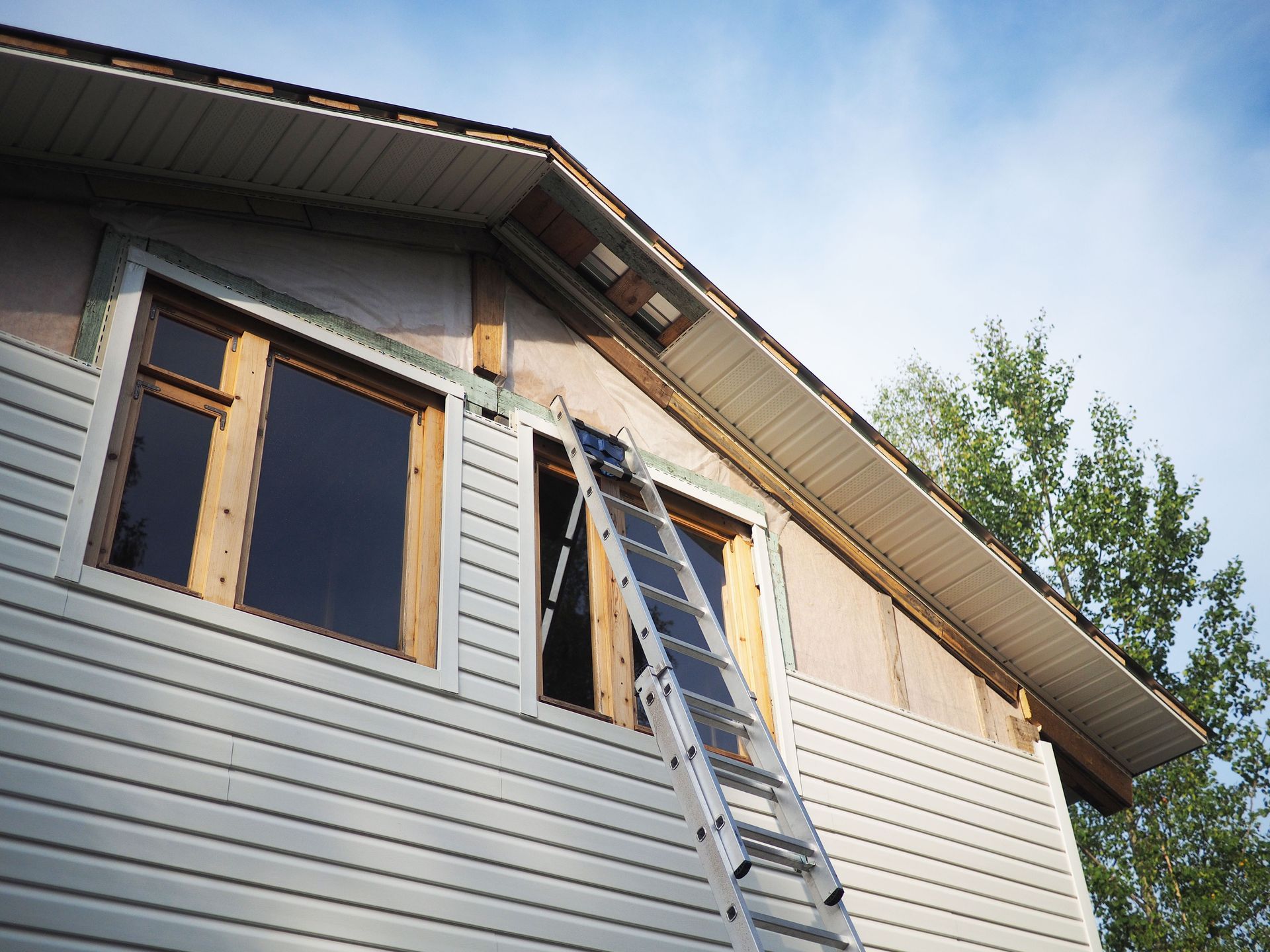
Siding is not the home's only defense against moisture. A weather-resistant barrier, often called house wrap, is installed beneath the exterior material to provide another layer of protection. These barriers help prevent outside water from reaching the wall structure while allowing trapped moisture to escape when properly installed.
When water passes behind siding, the underlying barrier helps direct it toward drainage areas rather than allowing it to collect against the sheathing. This protection is especially important in regions that experience heavy rainfall. Quality siding services account for these underlying protective components during installation.
Sealing Joints and Protecting Openings
Small gaps can create significant vulnerabilities in an otherwise durable exterior. Proper flashing, caulking, and sealing protect transitions around windows, doors, corners, and utility openings. These details prevent water from entering areas where it could damage framing or insulation.
Sealants can deteriorate because of temperature changes and general exposure. Periodic inspections help identify cracked or separated materials that need attention. However, caulking should not block designated drainage openings or ventilation spaces.
Allowing Proper Drainage and Ventilation
Effective siding installation accounts for how water moves behind and around exterior materials. Drainage pathways allow incidental moisture to escape instead of becoming trapped against the home's walls. Ventilation also helps exterior wall assemblies manage moisture and temperature changes.
Incorrect installation may interfere with these processes, increasing the possibility of condensation, mold, and material deterioration. Professional siding services account for manufacturer requirements and appropriate drainage details.
Maintaining Siding to Prevent Long-Term Damage
Recognizing Early Warning Signs
Regular exterior inspections can help homeowners identify siding problems before they affect other parts of the property. Common warning signs include loose panels, cracks, bubbling paint, warped sections, and discoloration. Soft spots or visible mold may indicate moisture has reached the underlying materials.
Interior symptoms deserve attention as well. Peeling paint, musty odors, and moisture stains near exterior walls may point to problems with the home's protective envelope. A professional evaluation can help identify the source and determine whether siding services are needed.
Keeping Exterior Materials Clean
Routine cleaning helps remove dirt, pollen, and organic growth that accumulate on siding. The appropriate cleaning method depends on the material, so homeowners should follow manufacturer recommendations to avoid damaging protective finishes.
Nearby trees and vegetation should also be managed to limit contact with exterior walls. Overhanging branches can scrape siding during storms, while dense vegetation may restrict airflow and keep surfaces damp.
Scheduling Repairs and Replacements
Minor siding problems may be addressed through individual panel repairs, replacement of damaged sections, or corrections to flashing and seals. Widespread deterioration may indicate that replacing the entire exterior system is a better long-term option.
The decision depends on the extent of the damage, the age of the materials, and whether moisture has affected the underlying structure. A professional evaluation can help determine whether repairs will provide sufficient protection.
Protecting Your Home With Quality Siding
Siding does more than improve a home's exterior appearance. It helps defend walls against moisture, wind, and temperature changes that can contribute to property damage. Selecting appropriate materials and ensuring proper installation are essential for getting the most from this protective layer.
Routine maintenance also helps preserve siding performance. Addressing loose panels, damaged seals, and signs of moisture intrusion early can reduce the risk of extensive exterior problems. When existing materials show widespread deterioration, replacement may improve both protection and property value.
If your home's exterior needs attention, Roofers Edge & Siding Inc can help you explore available solutions. Contact the team to discuss your property's condition, learn more about professional siding services, and determine which improvements may best support your home's long-term protection.
Share On: